Homeowners today have more inspiration at their fingertips than ever before. A few minutes on Pinterest, Instagram, or Houzz can generate hundreds of ideas for a kitchen, bathroom, or whole-home renovation. The challenge is no longer finding ideas—it's determining which ideas will work in your home, fit your budget, and create the results you're hoping for.
Over the years, we've found that most homeowners know how they want a space to feel, but they don't necessarily know how to get there. In fact, more than 80% of the homeowners who contact us about a renovation don't have a fully developed plan. Instead, the conversation often starts with a photo and a simple question "Can you do this in my home?"
The answer is rarely as simple as yes or no. The better question is: What is possible in your home, within your budget, and for the way you live?
That's where the design-build process creates better results.
How Remodeling Used to Work
For many years, the remodeling process was fairly straightforward. A homeowner would determine what they wanted—a new kitchen layout, cabinets, countertops, flooring, lighting, and paint—and a contractor would provide a price and complete the work.
Homeowners now have access to thousands of products, finishes, layouts, and design concepts. At the same time, they have less time to research, compare, and evaluate all those options. What starts out as excitement can quickly become overwhelming.
While that approach works still for some projects, today's remodeling environment looks very different. Instead of asking for specific products, many homeowners are now asking for guidance.
Design-Build Starts With Discovery
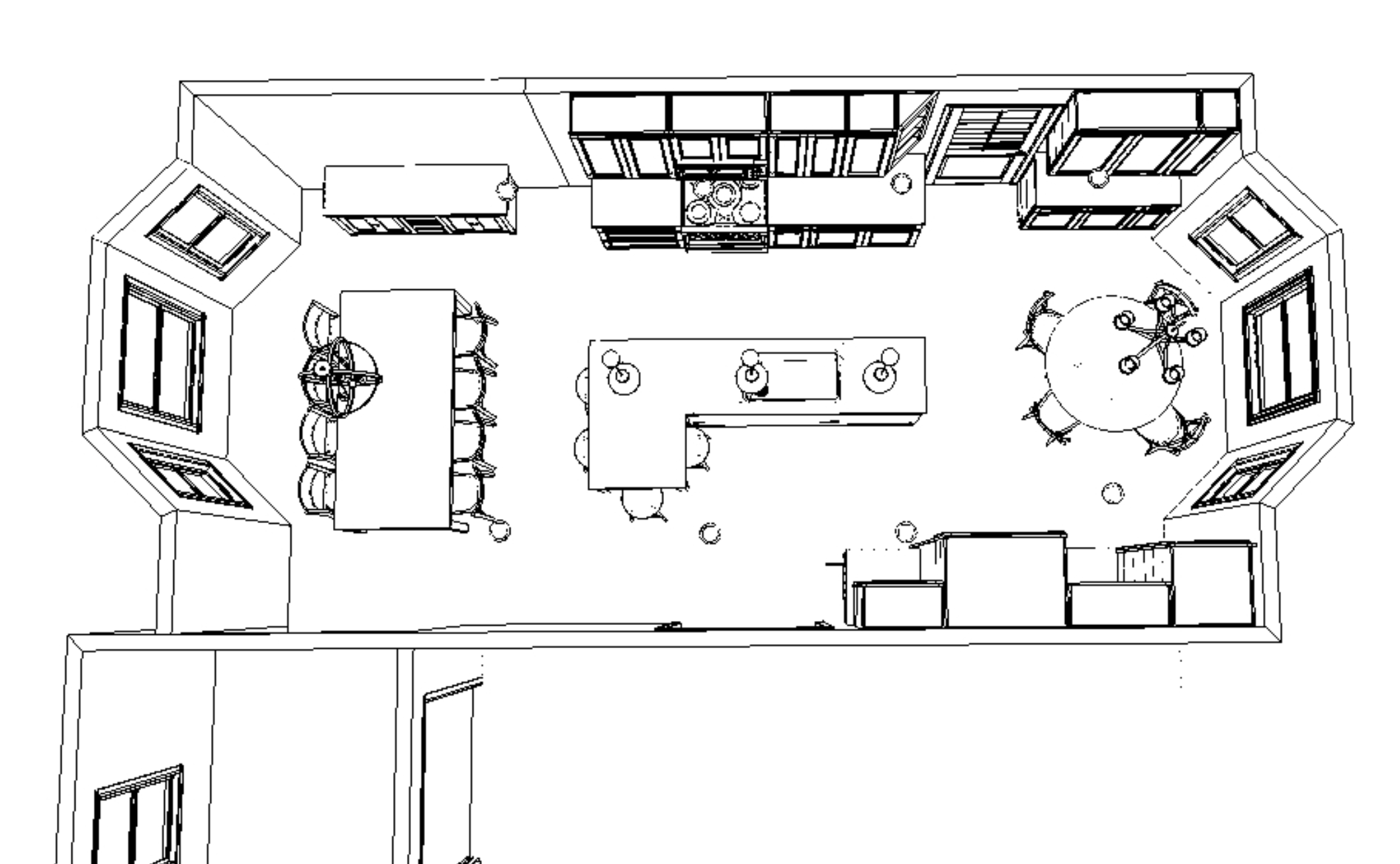
The design-build process recognizes that most homeowners don't need someone to simply build a project—they need a team to help define it.
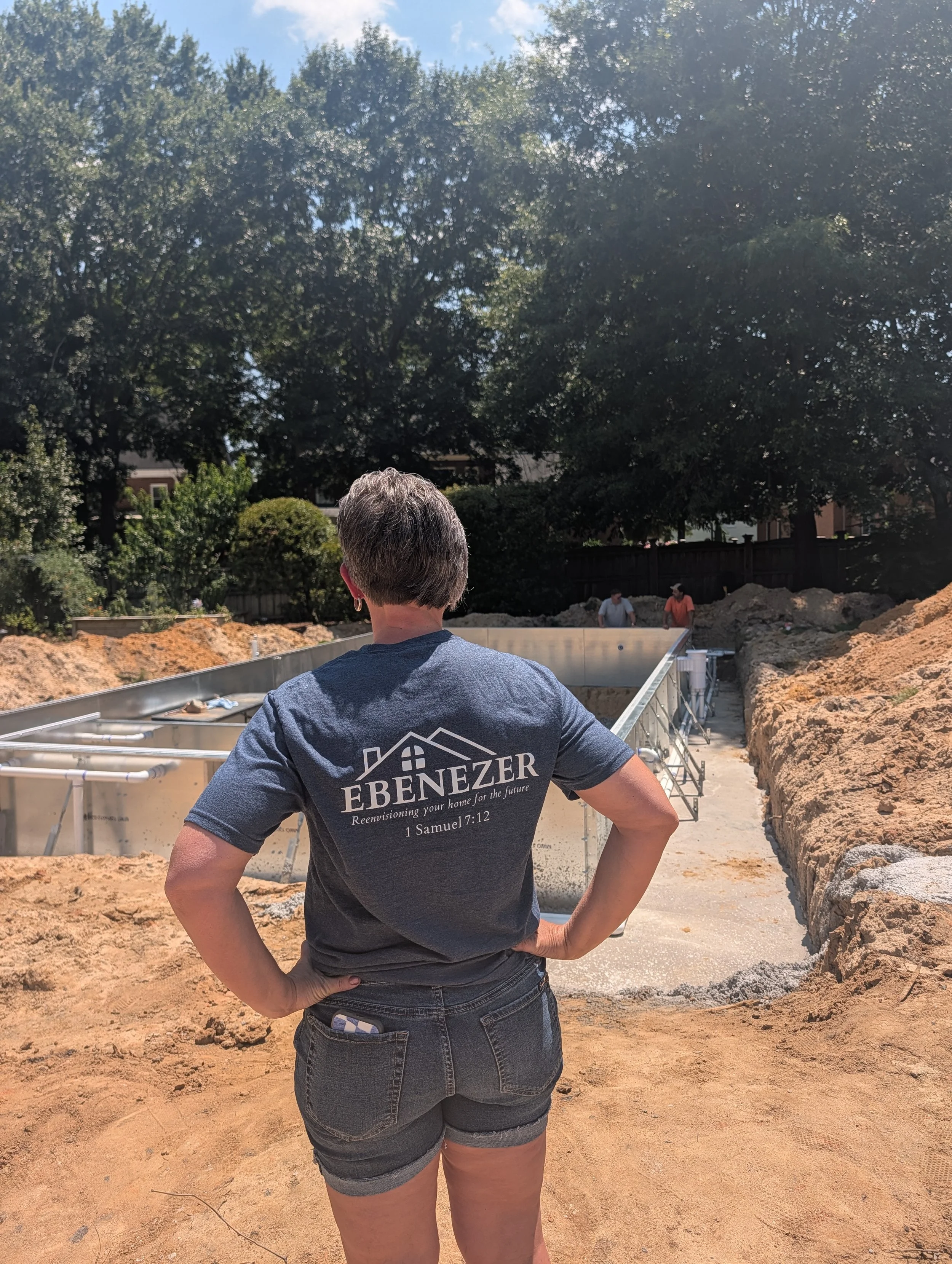
Before construction begins, a design-build team is assembled to help define the project and provide practical expertise:
How the space is currently being used
What frustrations exist with the current layout
How the homeowner wants the space to function
Budget expectations and investment priorities
Design preferences and lifestyle needs
This collaborative approach helps transform a collection of ideas into a clear plan with defined selections, realistic expectations, and an accurate budget. The ideal design team would include homeowner, architectural designer, interior designer, and builder. Bringing design and construction expertise together early leads to more practical solutions and fewer surprises later in the project.
Better Planning Leads to Better Pricing
One of the greatest advantages of design-build remodeling is the ability to make decisions before construction starts.
Without detailed planning, contractors are often pricing assumptions rather than actual decisions. As products change, layouts evolve, or unexpected conditions are discovered, costs can shift significantly.
During pre-construction, selections are refined, layouts are developed, and potential challenges are investigated before work begins. This allows homeowners to understand what their project will cost based on actual products and actual scope—not rough estimates.
The result is greater budget clarity and fewer unexpected changes during construction. While no renovation can eliminate every surprise hidden behind walls, thorough pre-construction planning and inspections can significantly reduce the likelihood of expensive change orders once construction is underway.
One Team, One Vision
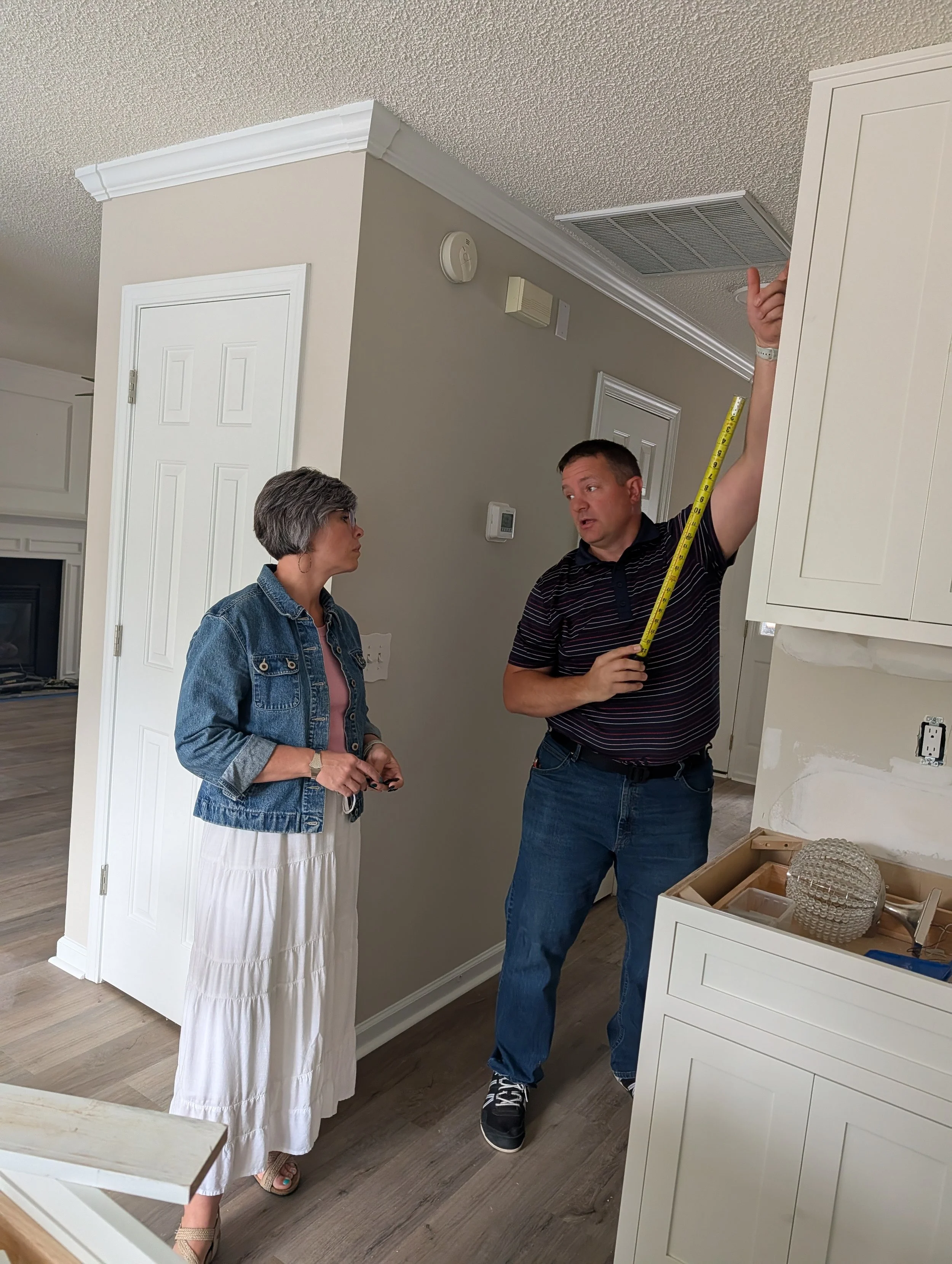
Another benefit of the design-build process is having a single team working toward a common goal.
Traditionally, a homeowner would engage a designer or architect and then take plans to a builder or remodeler for a quote after the complete plans and design was set. In this scenario, the builder (who has the best ability to inspect a home and has daily interaction with current market costs) has no ability to give feedback to the architect or designer on what choices will align with the budget. Or to investigate any concerns within the home that would impact budget or execution of design. Homeowners may also find themselves coordinating between designers, architects, contractors, and vendors if everyone wasn’t in the room through each stage of plan development. With multiple parties involved, communication gaps can occur and homeowners are often left trying to connect the dots themselves or frustrated when part of the plan is not executed to their expectations.
In a design-build model, the design and construction teams work together from the beginning. Everyone involved understands the project goals, budget priorities, and design intent.
For homeowners, this often means:
Fewer misunderstandings
Faster problem-solving
More consistent communication
Greater accountability throughout the project
Combating Decision Fatigue
Perhaps the most overlooked advantage of the design-build process is helping homeowners avoid decision fatigue.
A major renovation can involve hundreds of decisions:
Layouts
Mechanical equipment
Types of windows and roofing
Exterior finishes and landscaping
Interior finishes: flooring, paint and wall finishes, trimwork and cabinetry, countertops, tile
And that doesn’t even touch what you put in the room when construction is over!
When every showroom offers hundreds of choices and now anything in the world is available to purchase through a screen, making decisions can become exhausting.
An experienced design-build team helps narrow those options based on your goals, budget, lifestyle, and overall design vision. Instead of sorting through everything available on the market, homeowners are guided toward the options that best fit their project. That guidance helps maintain momentum and keeps projects progressing toward the finish line.
The Investment Pays Dividends
Some homeowners initially view design and pre-construction as an added expense. In reality, it is often one of the most valuable investments in the entire remodeling process. Successful remodeling isn't simply about construction—it's about making hundreds of decisions in a way that aligns with your goals, your home, and your investment. Many design-build remodelers across the country charge 3-8% of the entire project cost on pre-construction.
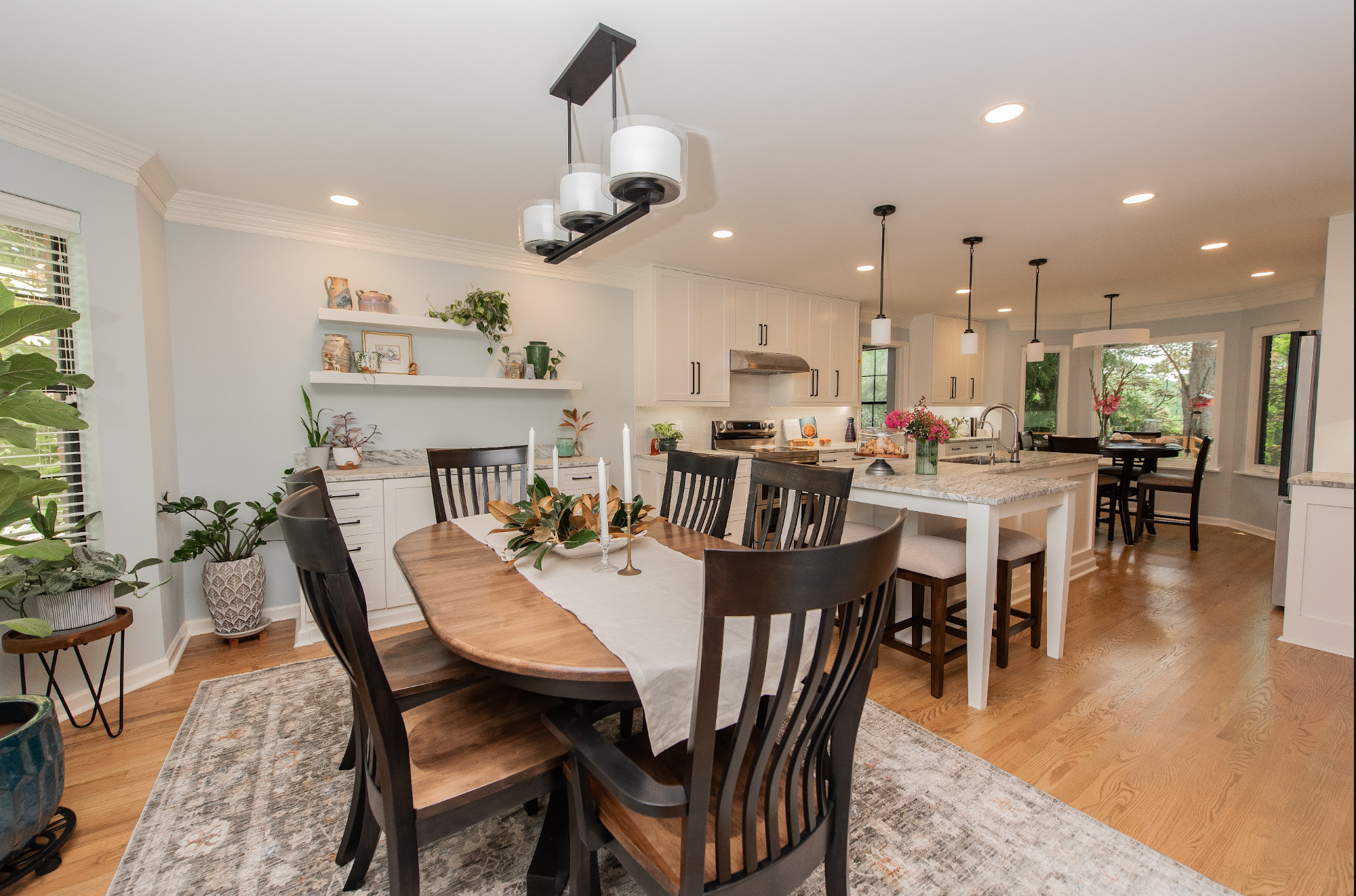
The time spent in design and pre-construction creates opportunities for better budgeting, more informed decision-making, fewer surprises, clearer expectations, stronger communication, and more thoughtful design solutions. It allows homeowners and their project team to move from inspiration to execution with greater confidence and clarity.
Most importantly, investing time upfront creates a better overall experience. When existing conditions have been evaluated, selections have been thoughtfully considered, and a plan has been developed before construction begins, homeowners are far more likely to enjoy both the remodeling journey and the finished space.
The best remodeling results don't happen by accident. They are the product of intentional planning, collaboration, and a shared commitment to creating a home that serves your family well for years to come.
At Ebenezer Remodeling, we believe the best projects begin long before demolition starts. They begin with thoughtful planning, honest conversations, and a clear vision for what's possible. That's why design-build isn't just how we remodel—it's how we help homeowners create better results.