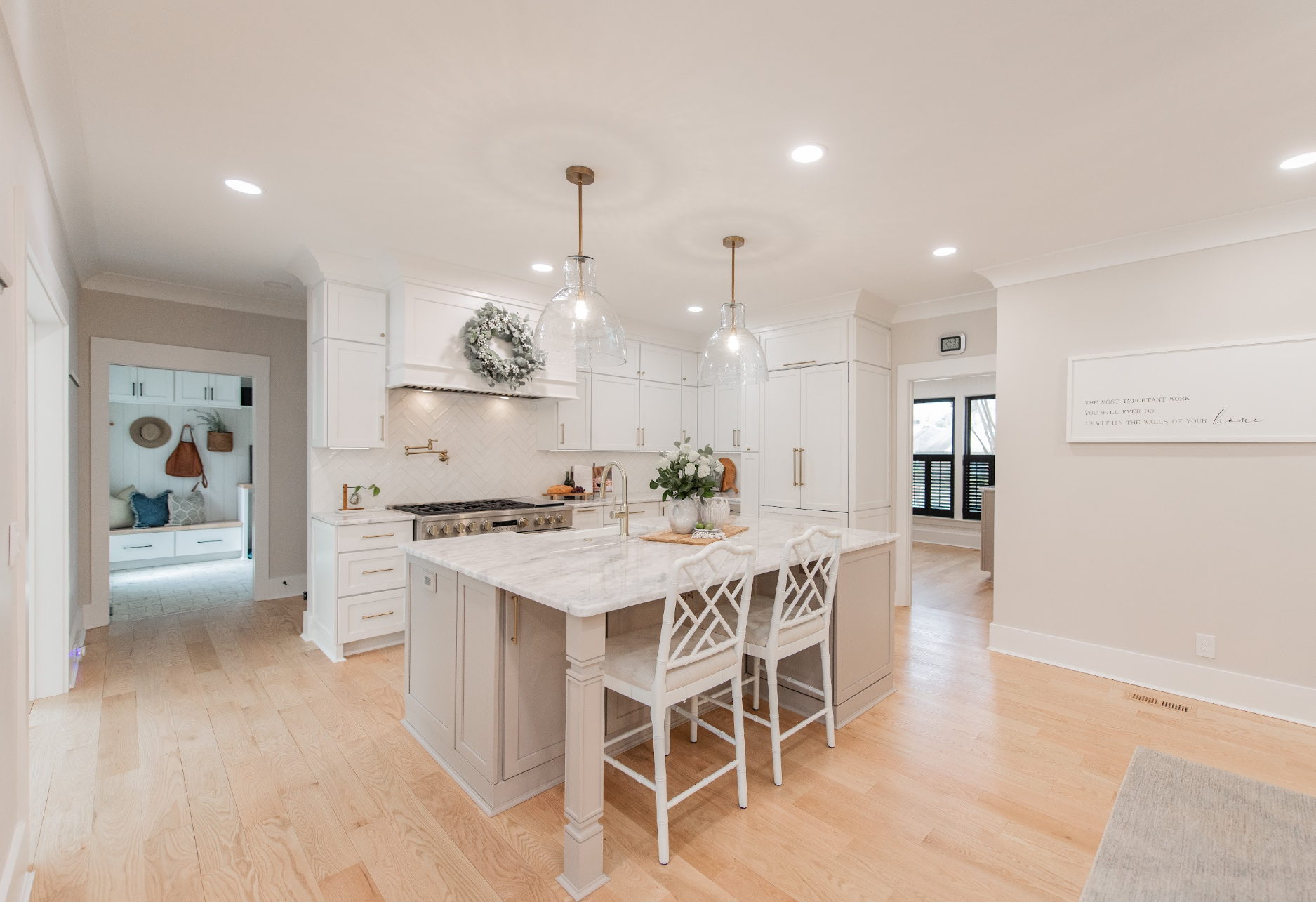
Many homeowners focus on design selections and budgets first, only to realize later that construction scheduling impacts nearly every part of the renovation experience. Knowing the major phases of a project—and what can affect them—helps homeowners prepare with greater confidence.
While every project is unique, understanding the major phases of a kitchen renovation helps set realistic expectations and reduces frustration along the way. At Ebenezer Remodeling, we find that successful projects begin with a well-developed plan and a willingness to invest the necessary time in the details before construction ever begins.
Pre-Construction and Design
Typical Timeline: 3 Months to 1 Year
Average Timeline: 4–5 Months
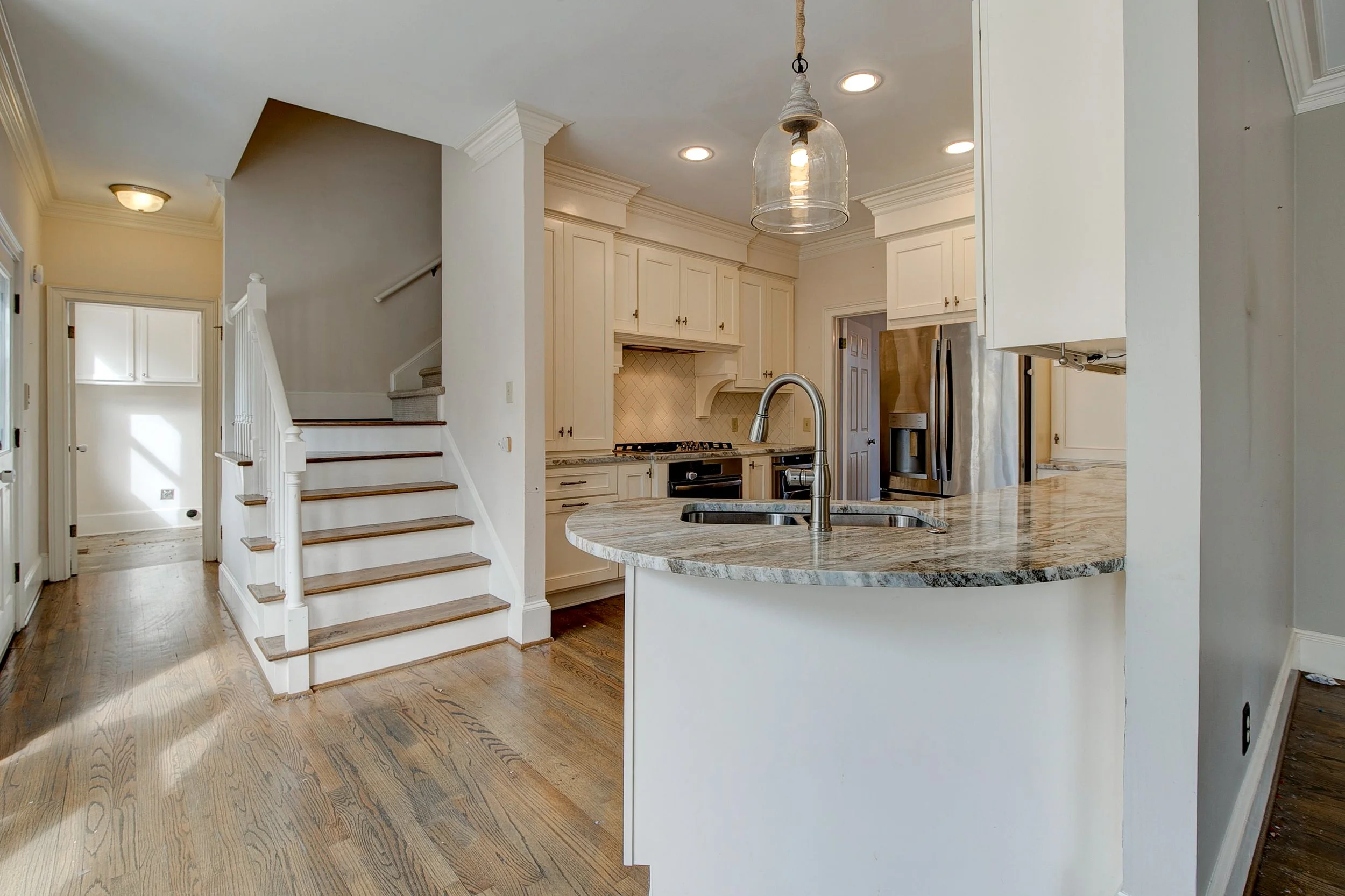
Many homeowners are surprised to learn that design and planning often take longer than construction itself. This phase includes developing the layout, selecting materials, reviewing drawings, and making the hundreds of decisions that go into a successful remodel.
The timeline depends greatly on:
The homeowner's availability for meetings
How quickly decisions are made
The number of selections required
Homeowner vs interior designer
While some homeowners move through this process quickly, others prefer to take more time evaluating options and refining details before proceeding. Investing time in planning almost always leads to a smoother construction experience.
From Contract Signing to Project Start
Typical Timeline: 2–4 Weeks
Once the contract is signed, several important administrative steps occur before construction can begin.
These often include:
Permit application and approval
Final project scheduling
Ordering cabinetry and other materials with longer lead times
Coordination with trade partners
The exact timeline depends on permit turnaround times, product availability, and overall project complexity.
Demolition
Typical Timeline: 3 Days
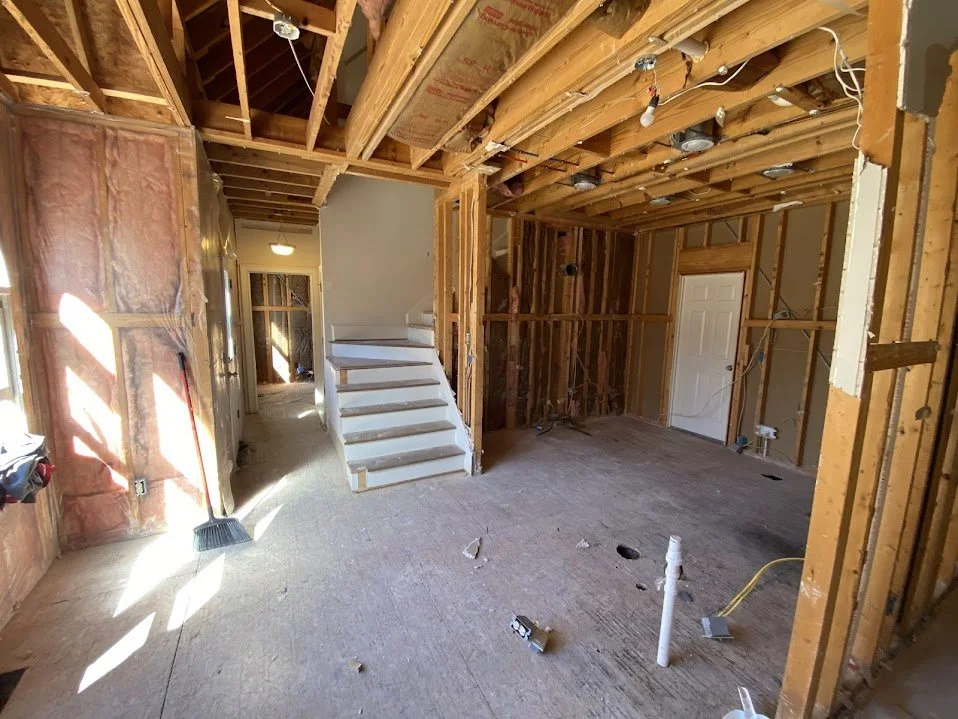
Demolition is often the most exciting phase because homeowners finally begin to see visible progress. Existing cabinetry, countertops, flooring, and other materials are removed to prepare the space for renovation.
While demolition may seem straightforward, care is taken to protect adjacent areas of the home and prepare the space for the work ahead. This also a time for more thorough evaluation of the space to inspect for underlying conditions that should be addressed. If the project involves expanding or changing the walls around the kitchen, additional time would be needed for framing before any mechanical work.
Rough Mechanical Work
Typical Timeline: 2 Days to 2 Weeks
This phase includes:
Plumbing modifications
Electrical updates
HVAC adjustments (if needed)
The timeline varies significantly depending on the amount of change required and the number of trades involved. A kitchen that maintains a similar layout may only require minor updates, while a kitchen with relocated appliances, sinks, lighting, and gas lines can require much more extensive work.
Inspections
Typical Timeline: 2 Days
Once rough mechanical work is complete, required inspections are scheduled to verify that the work meets applicable building codes.
The timing of this phase depends partly on inspector availability and local permitting requirements if its necessary for your local jurisdiction.
Insulation
Typical Timeline: 1 Day
After inspections are approved, insulation is installed where required before the walls get closed in.

Drywall and Priming
Typical Timeline: 1 Week
Drywall is installed, finished, sanded, and primed. This phase often takes longer than homeowners expect because multiple coats and drying times are required to achieve a smooth, professional finish.
Patience here pays off, as the quality of the finished walls impacts the appearance of the entire kitchen.
Cabinet Installation
Typical Timeline: 3–5 Days
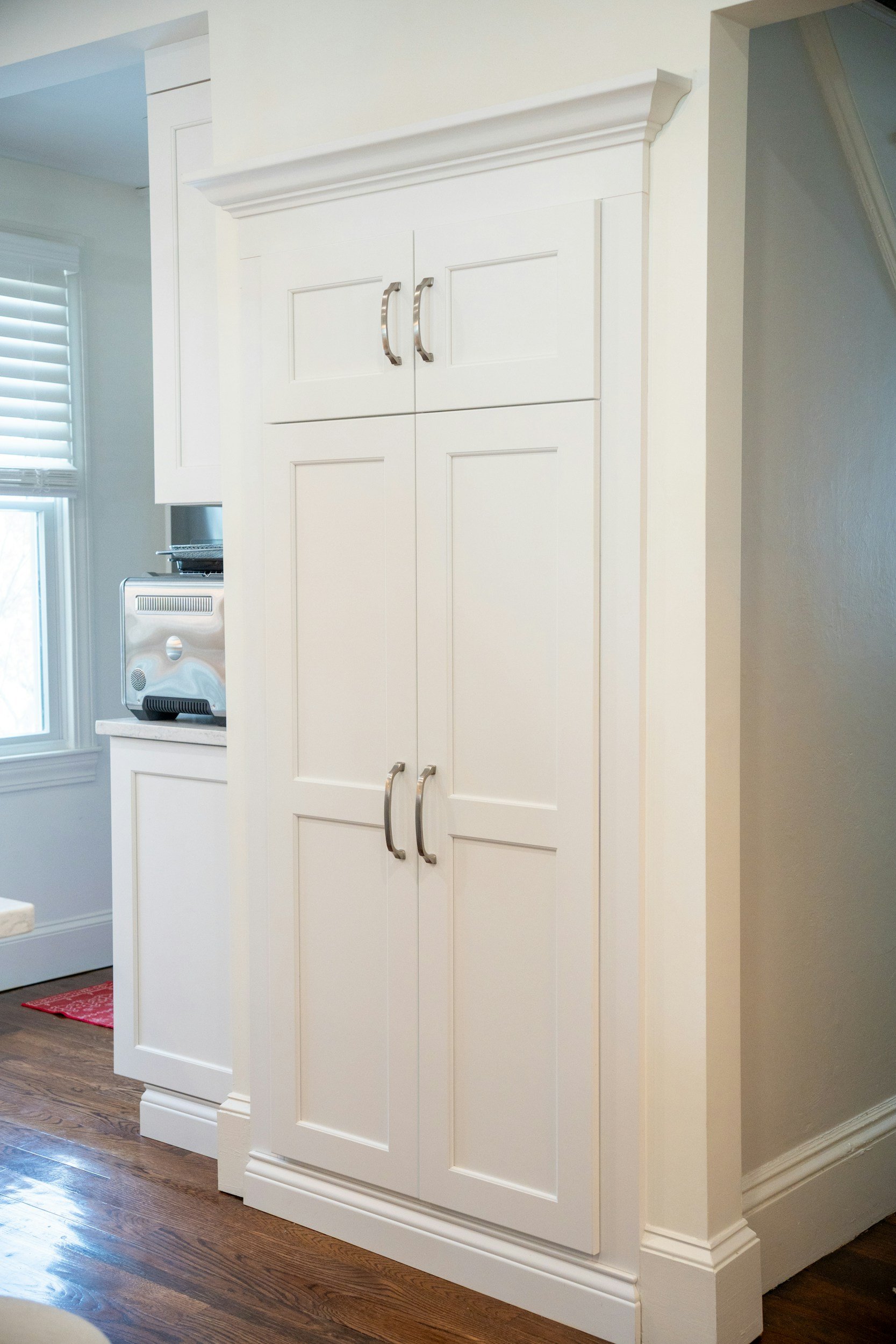
Once the walls are complete, cabinetry installation begins. Cabinets must be carefully leveled, aligned, secured, and prepared for countertops.
This is often the stage where homeowners begin to see their new kitchen truly take shape.
Countertop Fabrication, Flooring, and Interior Trim
Typical Timeline: 2 Weeks
After cabinets are installed, countertop templates are created and sent for fabrication.
While countertops are being cut and scheduled, other work can continue, including:
Flooring installation
Interior trim work
Painting
Final finish details
Because several activities can happen fairly quickly, this phase represents significant progress toward completion.
Countertop Installation
Typical Timeline: 1 Day
Once fabrication is complete, countertops are delivered and installed. Proper measurements taken during templating help ensure a precise fit and a smooth installation process.
Tile Backsplash
Typical Timeline: 3 Days
The backsplash adds both protection and personality to the kitchen. Depending on the tile selected and the installation pattern, this phase can vary slightly, but most backsplash installations take approximately three days.
Mechanical Trim-Out
Typical Timeline: 3 Days
This is when functionality returns to the space.
Trades return to install and connect:
Plumbing fixtures
Lighting fixtures
Switches and outlets
Appliances
Other finish components
At this stage, the kitchen begins operating as intended.
Touch-Ups and Punch List
Typical Timeline: 3–5 Days
The final phase focuses on the details. Homeowners should be asked to provide a punch list of items from the contract that have not yet been completed or finish quality should be addressed.
Punch-list work typically include:
Paint touch-ups
Hardware adjustments
Caulking
Minor alignment corrections
Verifying all systems function properly
This is also when final walkthroughs occur to ensure the project has been completed according to scope and expectations.
The Big Picture
While construction on a typical kitchen renovation may take only several weeks, the entire remodeling process—including design, planning, selections, permitting, and construction—often spans several months.
The most successful projects are not necessarily the fastest. They're the ones where homeowners take the time to make thoughtful decisions, set realistic expectations, and work through the process methodically. A well-planned kitchen renovation may require patience, but the result is a space designed to serve your family well for years to come.
If you're considering a kitchen remodel and would like a better understanding of what the timeline might look like for your home, the team at Ebenezer Remodeling is happy to help guide that conversation.