How to Navigate Hard Conversations With Your Contractor (or client) — and Prevent Them!
No remodeling project is completely free of challenges. Homes are complex, construction can uncover surprises, and even the best-planned projects occasionally require difficult conversations.
The good news is that most frustrations come from misunderstandings and unmet expectations, not the actual problem itself. At Ebenezer Remodeling, we've found that successful projects are built on more than
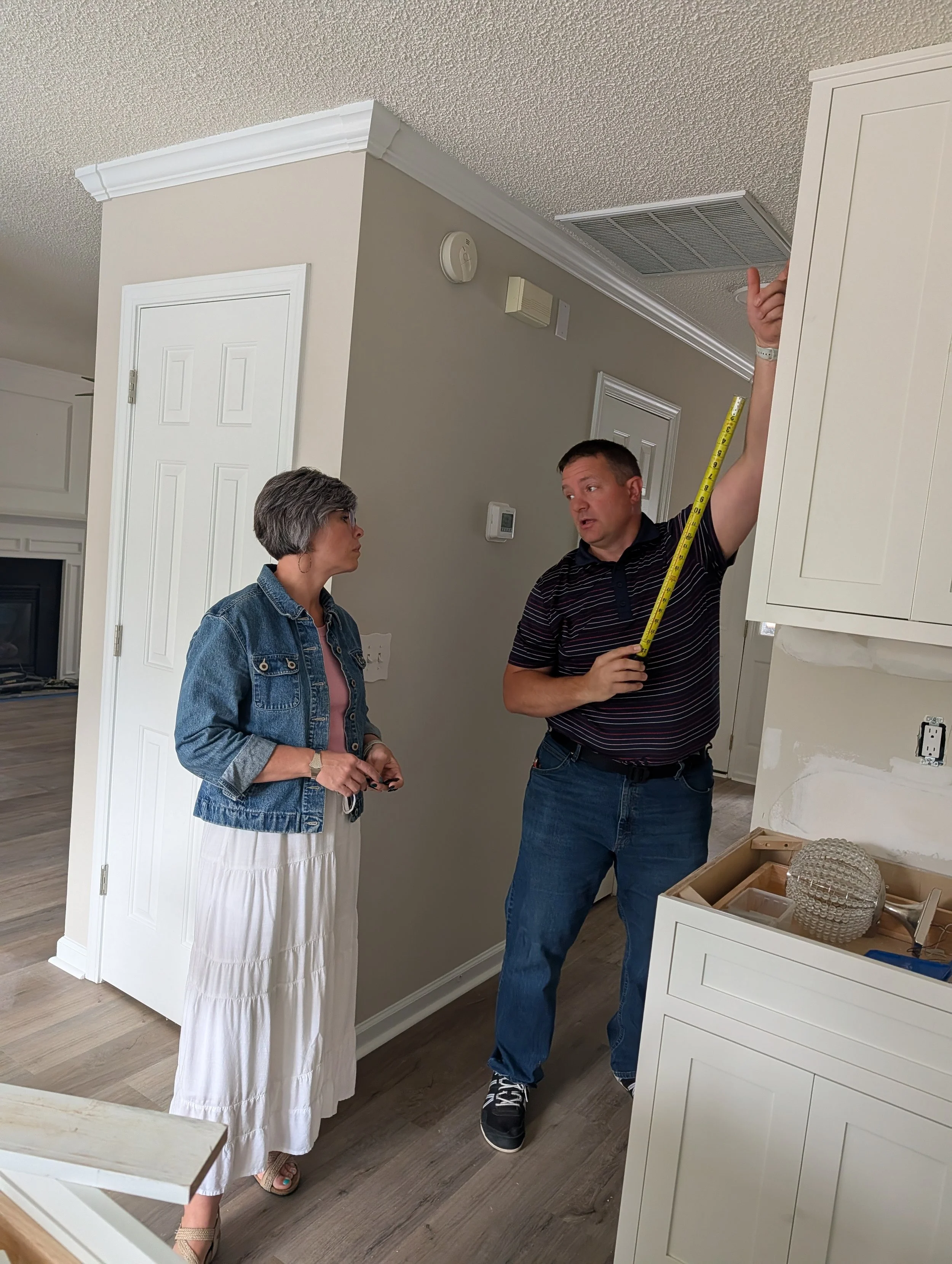
Navigating Hard Conversations
The goal of a difficult conversation isn't to determine who's right or wrong. The goal is to find a path forward.
When concerns arise, address them early. Small frustrations that go unaddressed often become larger issues later, and in many cases there's a simple explanation or solution that can be discussed before emotions build. Whenever possible, have these conversations in person. If that isn't practical, a phone or video call is usually the next best option. Email and text messages are helpful for documenting decisions, but they're rarely the best tools for resolving conflict because tone and intent can easily be misunderstood.
The way concerns are communicated often determines how productive the conversation will be. Questions invite discussion, while accusations tend to create defensiveness. For example, instead of asking, "Why hasn't the backsplash been installed yet?" try "Can you help me understand where the backsplash installation falls in the schedule?" Rather than saying, "This doesn't look right," consider "Can we walk through what I'm seeing here?" Approaching concerns with curiosity often uncovers information that wasn't immediately obvious and leads to better outcomes for everyone involved.
It's also important to focus on facts and solutions rather than blame. Remodeling is personal because it's your home, and it's natural to feel frustrated when expectations don't match reality. Instead of saying, "Nobody seems to care about finishing this project," try "I've noticed the schedule has shifted several times, and I'm concerned about how that impacts our family plans. Can we discuss where things currently stand?" The most productive conversations focus on observations, concerns, and solutions while assuming good intentions and remembering that both homeowner and contractor share the same goal: a successful project.
The Best Hard Conversation Is the One You Never Have to Have
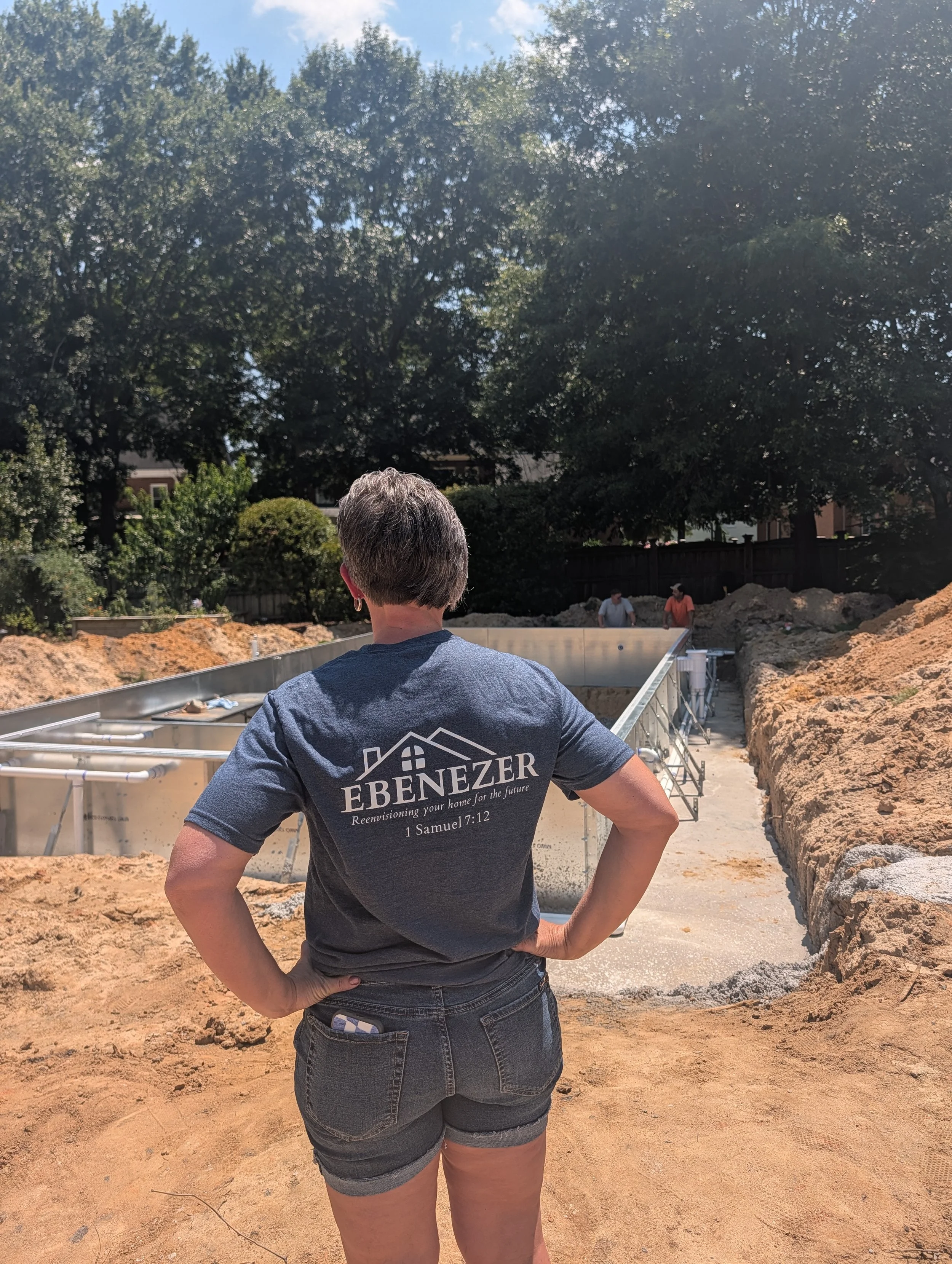
Many difficult conversations can be prevented before construction ever begins.
A thorough design and pre-construction process helps homeowners and contractors align expectations, build trust, and establish clear communication. The more clarity that exists at the beginning, the fewer misunderstandings tend to occur later. During pre-construction, homeowners learn how a contractor communicates, responds to questions, and handles concerns. Contractors are doing the same. If discussions feels respectful and productive, that's a positive sign. If communication feels abrupt or dismissive, that can be a valuable red flag before construction begins.
One misconception homeowners sometimes have is that signing a pre-construction agreement means they're committing to build with that contractor. In reality, it's more like exclusive dating before the marriage. Both parties are investing time to determine whether they're the right fit for a long-term project together.
Most remodeling conflicts aren't caused by people having different goals. They're caused by people having different expectations. Pre-construction helps uncover those differences early, when they're easiest to address.
Building Better Projects Through Better Communication
Every remodeling project involves countless decisions and people working toward a common goal. While challenges are inevitable, conflict doesn't have to be.
By communicating with curiosity, respect, and a focus on solutions, homeowners and contractors can work through issues more effectively. And by investing time in expectation-setting before construction begins, many difficult conversations never need to happen at all.
At the end of the day, the strongest remodeling projects aren't just built with quality materials and craftsmanship. They're built on trust, communication, and a shared commitment to finishing well.