One of the most important conversations we have with homeowners early in a remodeling project is about prioritization. With so many decisions to make — and so many options in every showroom — it’s easy to feel overwhelmed. Over time, decision fatigue can set in, and without clear direction, it becomes harder to move forward confidently.
That’s why we focus on establishing guiding principles from the beginning. When you understand where your investment is going — and what truly drives cost — it becomes much easier to make decisions that align with your goals.
Understanding What Really Drives Cost
Many homeowners assume that the biggest cost drivers in a renovation are moving plumbing or electrical. While these changes can impact the project, they are often not the most significant factors in the overall budget.
For example, in a $150,000–$200,000 renovation, spending a few thousand dollars to relocate a sink or adjust electrical is typically not what drives the total investment.
Instead, the largest cost ranges usually come from selections where there are multiple levels of customization and material choices. Over the years, we’ve seen that four main categories tend to have the greatest impact on a remodeling budget. Within each of these categories, the range of options can vary widely — and those choices are what shape both the cost and the final result.

Cabinetry: Function and Flexibility
Cabinetry is often one of the most significant investments in a renovation. Even when using quality all‑wood construction cabinets, the level of customization options creates a wide range in pricing.
Options typically include:
Stock
Semi-custom
Custom
Each level provides increasing flexibility in size, layout, finish, and internal organization. This is often where functionality and value intersect — especially when the layout and organization directly impact daily use.
For an average 12' x 12' kitchen, cabinetry can range from approximately $20,000 to over $100,000, depending on the level of customization and detail.
Tile: Material and Installation Matter
Tile is another category where costs can vary significantly. Material alone can range from $3 per square foot to $75 per square foot, but the larger impact often comes from installation.
Factors that influence cost include: layout patterns, edge details and trim, type of grout, specialty features such as heated floors or benches. For example, a standard walk-in shower (3' x 5') with tile flooring and walls typically starts around $18,000, including labor and materials. With more intricate designs and higher-end selections, that cost can easily increase two to three times.
Tile decisions often need to balance visual impact with budget, as small changes in layout or material can significantly shift the overall cost.
Carpentry and Millwork: Detail and Character
Carpentry and millwork cover a wide range of features that add character and architectural detail to a home. This can include:
Crown molding and baseboards
Window and door casings
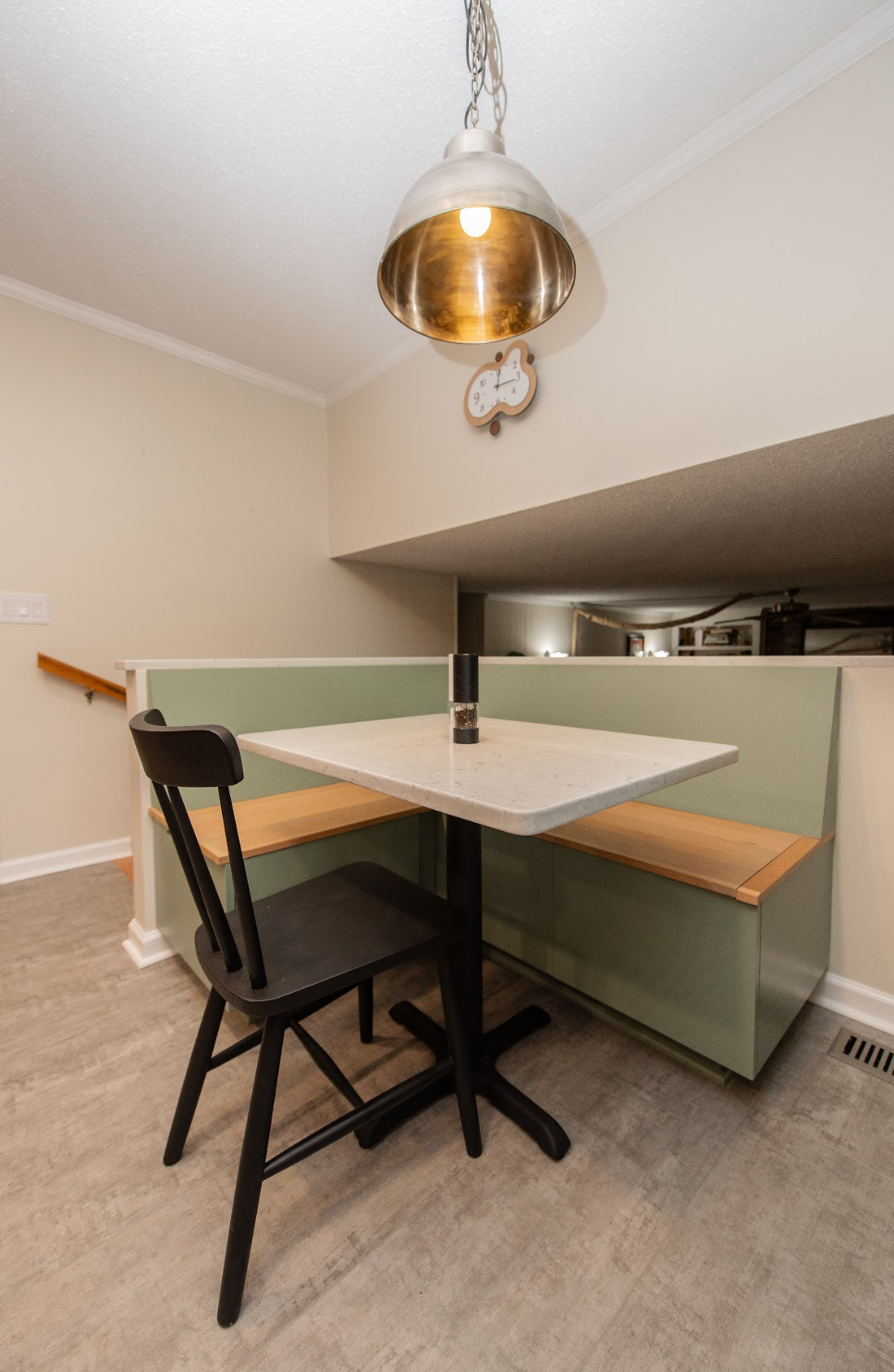
Built-in shelving or benches
Fireplace surrounds
Coffered or paneled ceilings
A standard trim package in a living room or great room renovation may start around $12,000, but costs can increase by tens of thousands of dollars when additional custom elements are introduced. Because this category is highly customizable, it can vary as much as cabinetry depending on the level of detail and craftsmanship.
Wall Finishes: The Often Unexpected Cost
Wall finishes are one of the most surprising cost categories for homeowners. While standard paint is included in most projects, specialty finishes can dramatically increase the investment.
For example:
Wallpaper can average around $17 per square foot installed
Decorative plaster finishes can cost seven to ten times more than standard drywall and paint
These finishes can add depth and personality to a space, but they also require a high level of detailed preparation and skilled labor.
Cost Is Only Half the Conversation — Value Is Personal
Once homeowners understand where costs come from, the next step is determining what those investments are worth to them.
This is where the conversation shifts — because value is not one-size-fits-all.
A homeowner planning to sell within five years will likely prioritize differently than someone renovating a forever home. A busy household that uses the kitchen heavily every day may place a higher value on customized cabinetry and organization, while someone who travels frequently may not see the same benefit.
There isn’t a universal answer for which decisions bring the “highest value.” Instead, value is defined by:
How you use your space
How long you plan to stay in your home
What matters most in your daily routine
What brings long-term satisfaction
Making Decisions That Align With Your Goals
As a design-build remodeler, our role in the process is to provide clear information about costs, explain the range of options, and guide homeowners toward decisions that reflect their priorities. But ultimately, each homeowner determines where value lies in their own project.
The most successful renovations aren’t necessarily the ones with the highest budgets — they’re the ones where choices were made intentionally, with a clear understanding of both cost and purpose.
When you approach your project this way, it becomes easier to move through decisions with confidence and create a space that feels right for how you live — both now and in the years ahead.