
Aging-in-Place Bathroom Design: Smart, Stylish, and Safe
Aging-in-Place Bathroom Design: Smart, Stylish, and Safe
Planning a bathroom remodel often starts with today’s needs — but the most successful designs also consider the future. Aging‑in‑place design allows homeowners to remain comfortable, independent, and confident in their homes for years to come.
At Ebenezer Remodeling, we approach these projects with a balance of practicality and thoughtful design. A well-planned bathroom can support changing needs over time without sacrificing comfort or appearance. The goal is not to create something that feels clinical, but to design a space that is functional, flexible, and still feels like home.
Smart: Think with the long term needs or possibilities in mind
Clearances - wider doorways, extra space for caregivers and assistance
Support - planning for grab bars and support structures around sinks, toilets, and showers
Flooring and limiting thresholds
In renovation some of these things can bring challenges and we have to get creative about solutions. Can we use additional space from an extra bedroom closet or put in a pocket door? What options can we provide that work with the existing structure of the house or do we need to consider more significant structural changes?
Stylish: There are many great options available now for universal design and accessibility for vanities. Even grab bars are available in different finishes now and don’t have to make your bathroom feel like a hospital.
Safe: Always in universal design we are thinking about safety and taking into consideration what the ADA standards are and how aging in place can be safer for a longer period of time.
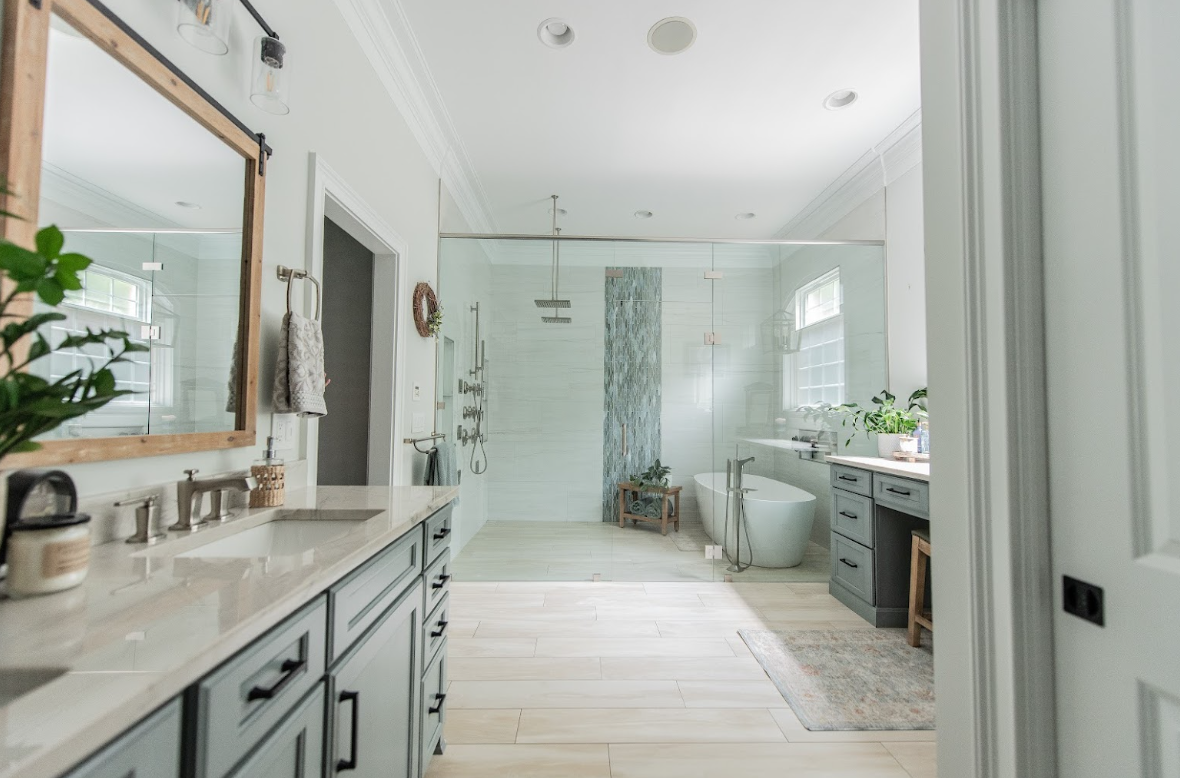
Smart: Planning for the Long Term
Aging‑in‑place design begins with thinking ahead. Even if these features are not immediately necessary, planning for them during a renovation is far more efficient — and less disruptive — than trying to add them later.
This often starts with space and layout. Wider doorways, additional floor clearance, and thoughtful placement of fixtures can make a significant difference over time, especially if mobility changes or assistance is needed in the future.
Support is another key consideration. Reinforcing walls during construction allows for the future installation of grab bars around toilets, showers, and vanities — even if they are not installed right away. Planning for these structural elements early provides flexibility without committing to visible changes before they’re needed.
Flooring and transitions also play an important role. Limiting thresholds, creating curbless shower entries, and selecting slip-resistant materials all contribute to a safer, more accessible space.
In renovation projects, existing structures don’t always make these changes simple. This is where creativity becomes important. Sometimes it means borrowing space from an adjacent closet, adjusting the layout, or incorporating features like pocket doors to improve accessibility without expanding the footprint. In other situations, it may require evaluating whether more significant structural changes are needed to achieve long-term goals.
Stylish: Designing With Comfort and Aesthetics in Mind
One of the most common misconceptions about aging‑in‑place design is that it has to look institutional. Today, there are more options than ever to create a bathroom that is both accessible and visually appealing.
Vanities, fixtures, and cabinetry can be designed with comfort and usability in mind while still reflecting the overall style of the home. Thoughtful lighting, clean lines, and intentional material selections help create a space that feels warm and inviting.
Even functional elements like grab bars have evolved. They are now available in a range of finishes and styles that coordinate with faucets, hardware, and accessories. When incorporated thoughtfully, they can blend into the overall design rather than stand out as medical features.
The goal is to design a bathroom that feels current and comfortable today, while still supporting future needs — without compromise.
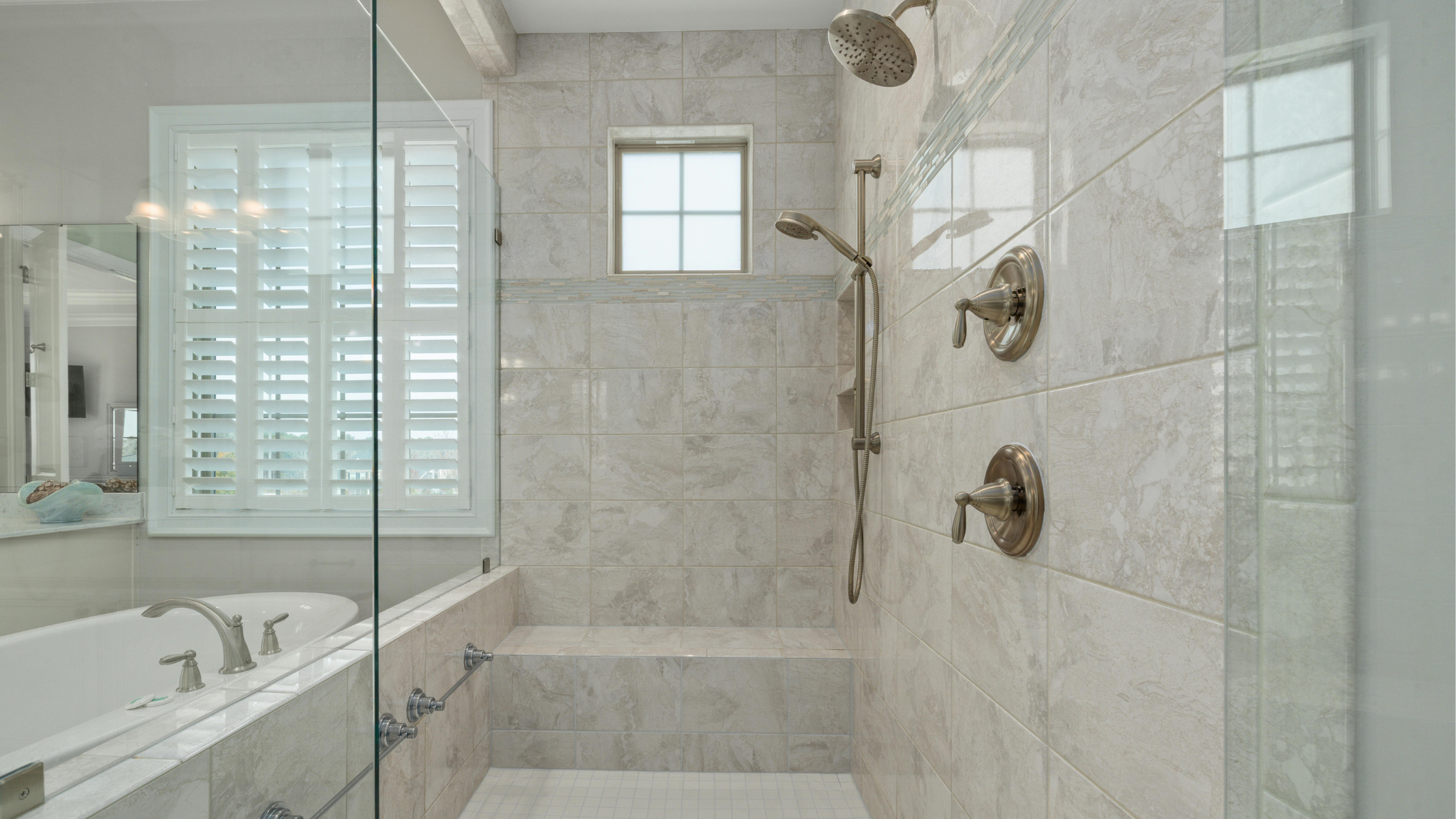
Safe: Supporting Daily Use With Confidence
Safety is at the core of universal design. Every choice, from layout to materials, should support ease of use and reduce the risk of injury over time.
This includes:
Proper clearances for movement
Stable and accessible fixtures
Slip-resistant surfaces
Well-placed lighting for visibility
Industry guidelines, such as ADA recommendations, provide a helpful framework when planning these spaces. While not every home must meet full ADA requirements, these standards offer valuable insight into how to design a bathroom that remains functional and safe as needs change.
A well-designed aging‑in‑place bathroom allows homeowners to move through their space confidently — whether they are planning ahead or responding to current needs.
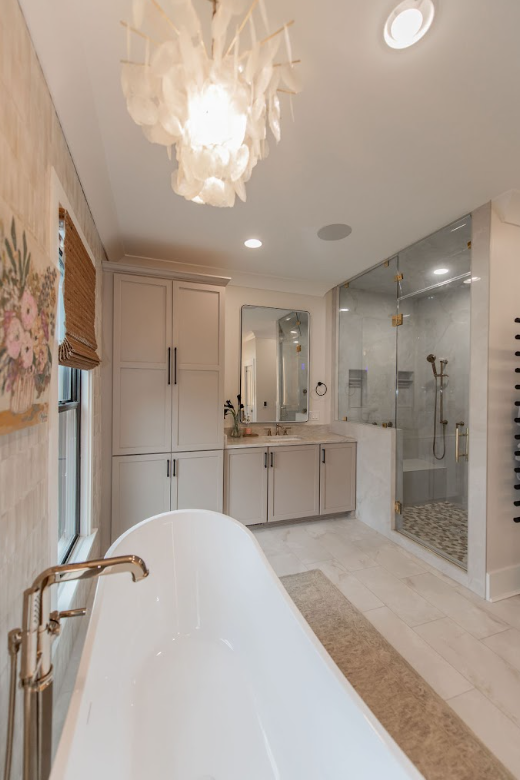
A Space That Adapts With You
Aging‑in‑place design is ultimately about flexibility. It’s about creating a space that works today, while quietly preparing for tomorrow.
With thoughtful planning, creative problem-solving, and careful attention to both function and style, a bathroom can remain comfortable, safe, and inviting through many stages of life.
If you’re considering a bathroom remodel and want to explore how aging‑in‑place design can be incorporated into your home, Ebenezer Remodeling is here to help guide the process with clarity and care.
