Personalizing Closets and Storage: Create Spaces That Truly Fit Your Life
Closets and storage areas are some of the hardest‑working spaces in your home — and when they’re designed well, they make your daily routine smoother, calmer, and more efficient. But the key to successful storage design isn’t just beautiful shelving or custom drawers. It starts with getting very specific about what you need the space to hold, how much you own, and how your routines actually work.
At Ebenezer Remodeling, we help homeowners design closets and storage areas that feel custom, intentional, and tailored to their lifestyle — not just their square footage.
Start With a Clear Picture of What You Own
Before any layout or design decisions are made, the first and most important step is understanding exactly what you plan to store.
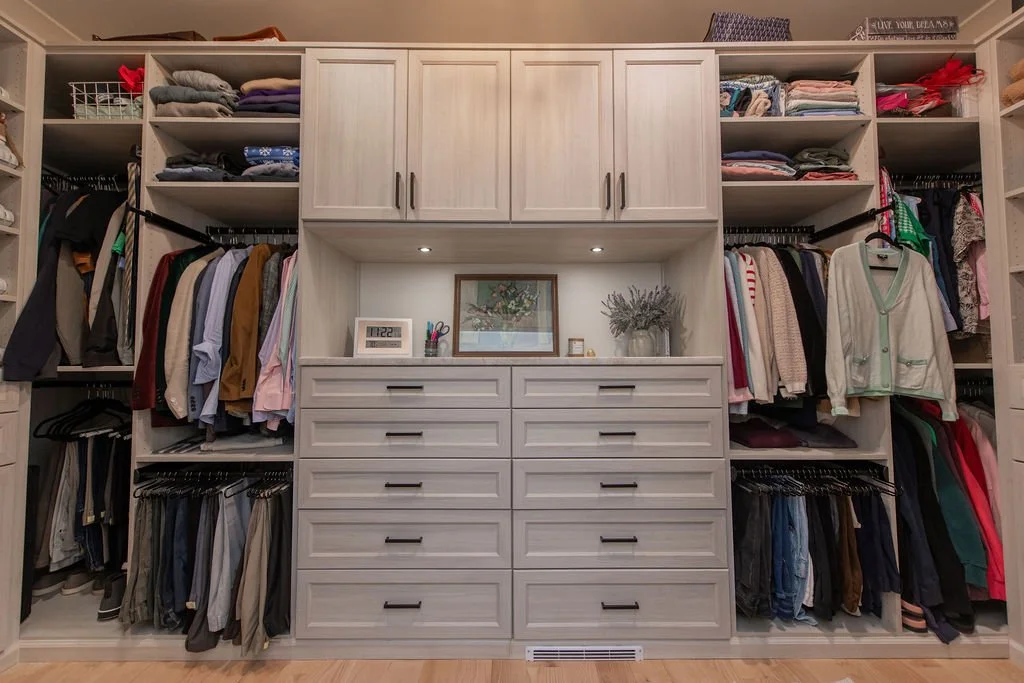
Ask Yourself:
How many shoes do you truly need space for — not just today, but realistically throughout the year?
What clothing categories do you reach for most often?
Do you prefer more hanging space or more shelving?
Are there specialty items (purses, hats, gym bags, jewelry) that need dedicated storage?
Getting specific here prevents overstuffed shelves and ensures the space is built around your actual life, not a generic idea of what storage “should” look like.
Edit Before You Organize
One of the simplest ways to improve a storage design — and one homeowners often overlook — is paring down what no longer needs to take up valuable space.
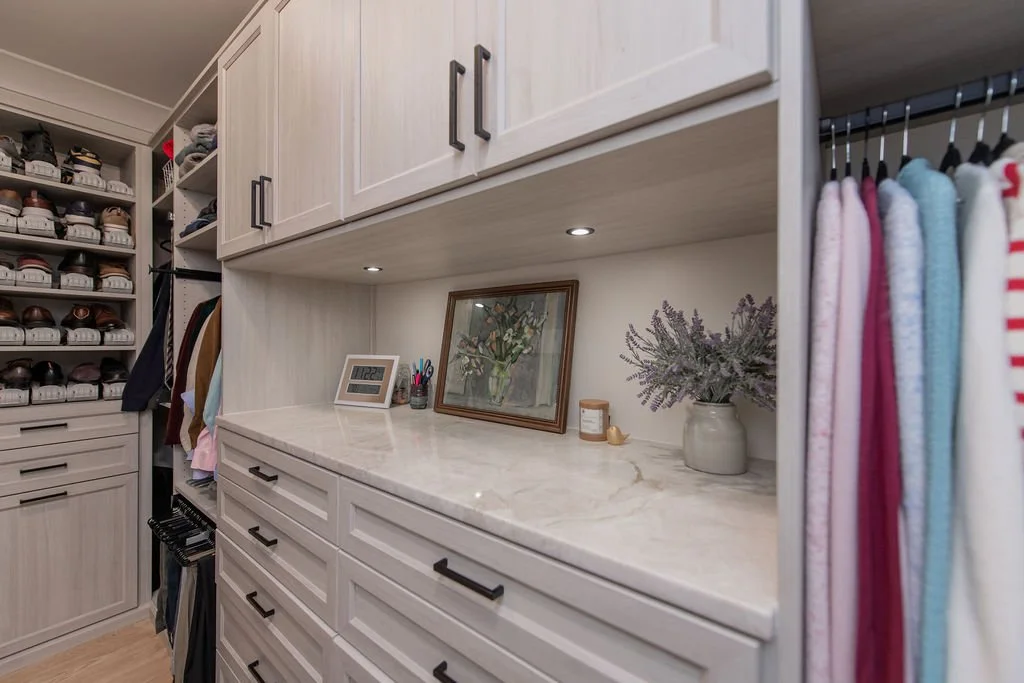
This may include:
Shoes your kids have already outgrown
Clothing that no longer fits your current lifestyle
Duplicate or unused items
Things tucked away “just in case”
Minimizing before building ensures you’re not designing around clutter. It also helps you make smarter decisions about the types of storage you truly need.
Plan Ahead for Life Changes
Your storage needs today may not match what you’ll need in the next season of life. It’s helpful to think ahead about how your household may evolve.
For example:
Children grow quickly — adjustable shelves, flexible shoe storage, and adaptable hanging sections can save you from constant reconfiguring.
Planning for a new family member may mean adding more bins, drawers, or shared shelving.
If you’re shifting into a new hobby or lifestyle (home gym, more travel, working from home), your storage should reflect that.
Designing with growth in mind creates a system that stays functional and organized long-term.
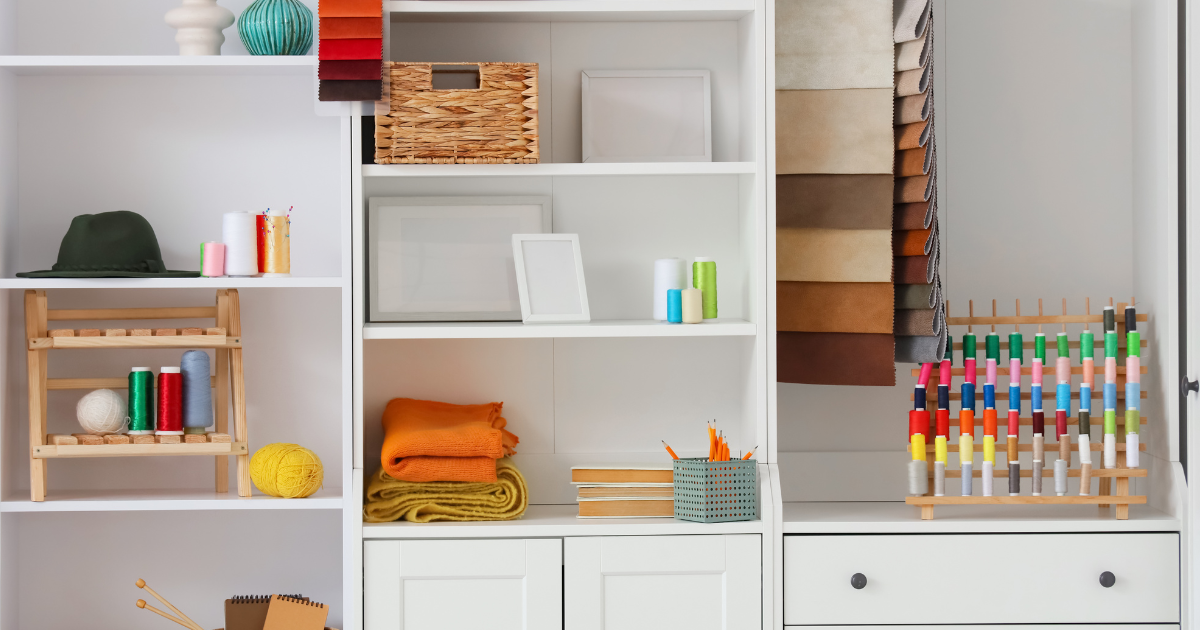
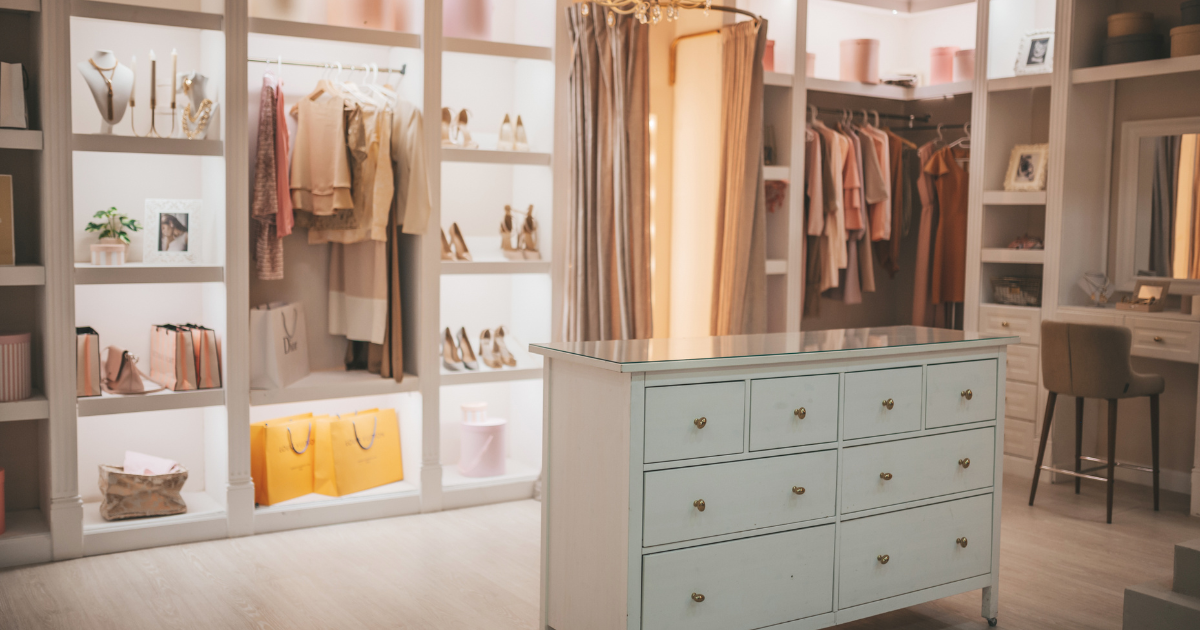
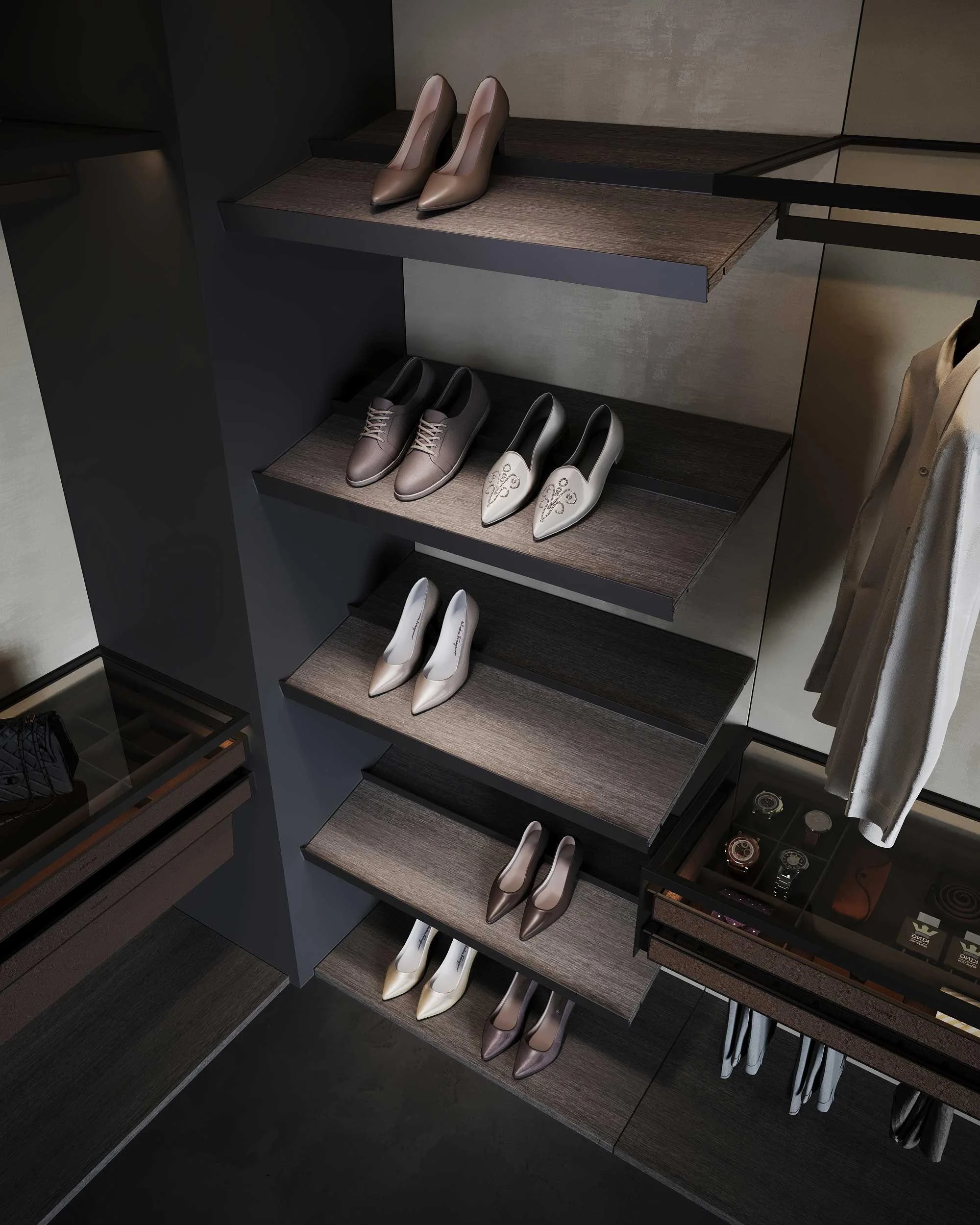
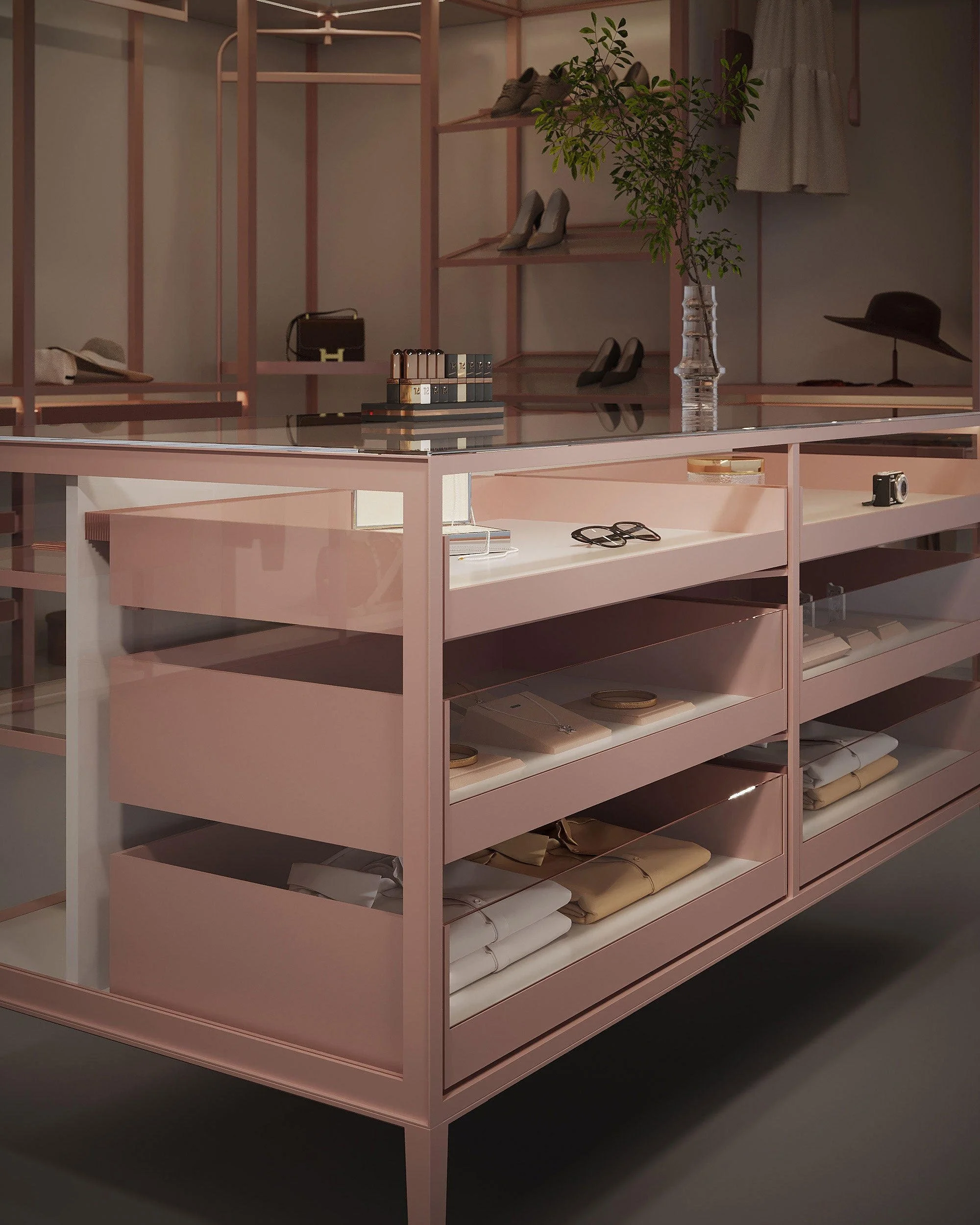
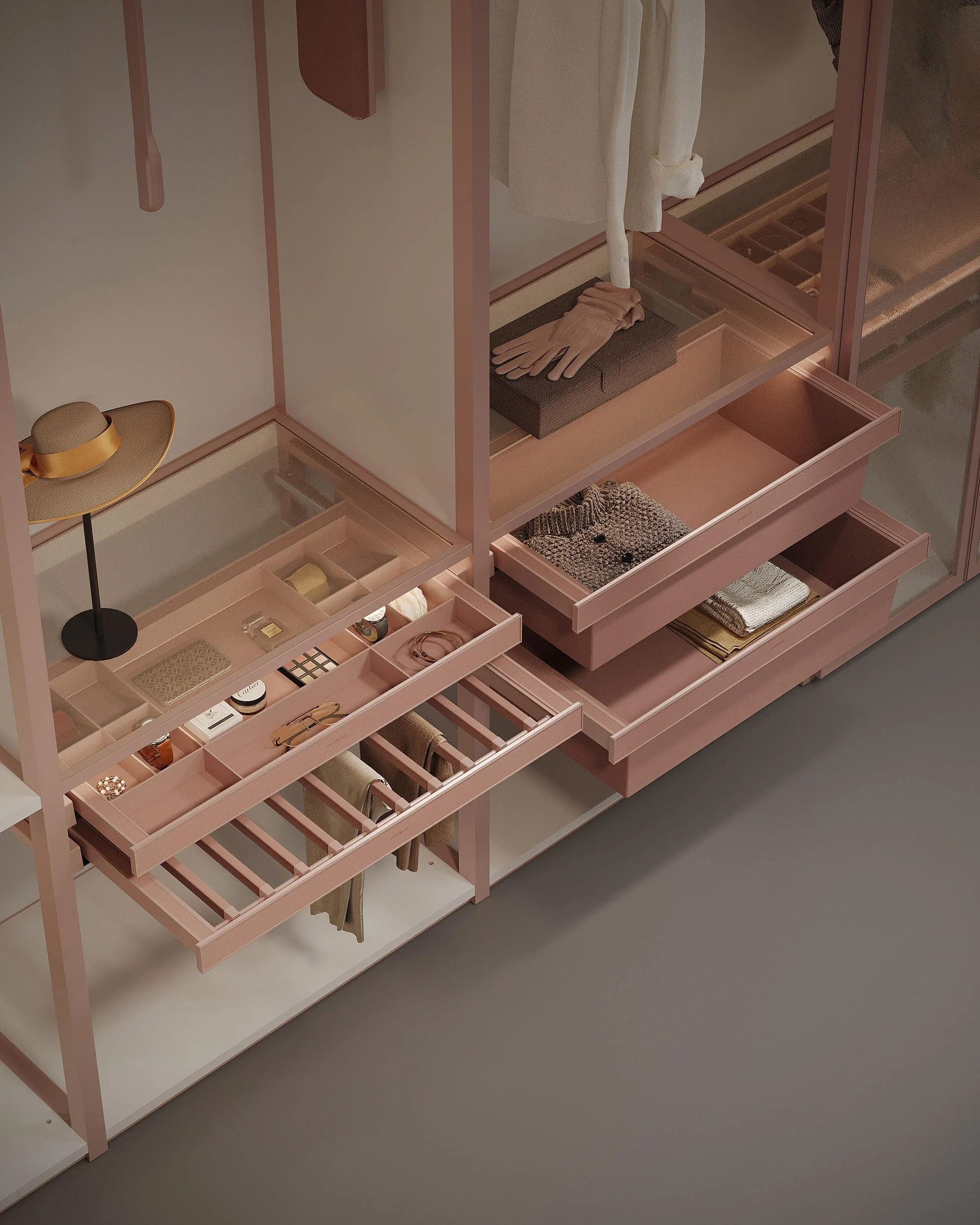
Create Intentional Zones: Primary Closet Zones
Once you know what stays, it becomes easier to design a closet or storage space with clear, defined zones.
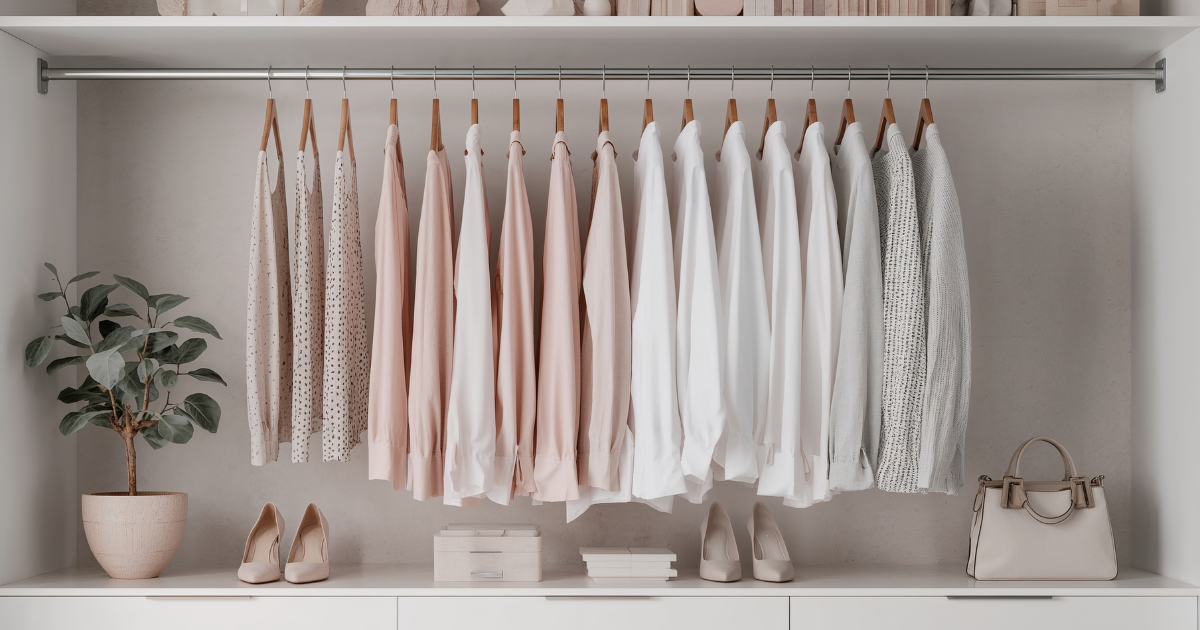
Short hang, long hang, and medium hang sections
Shoe storage customized to your collection
Shelves for folded items
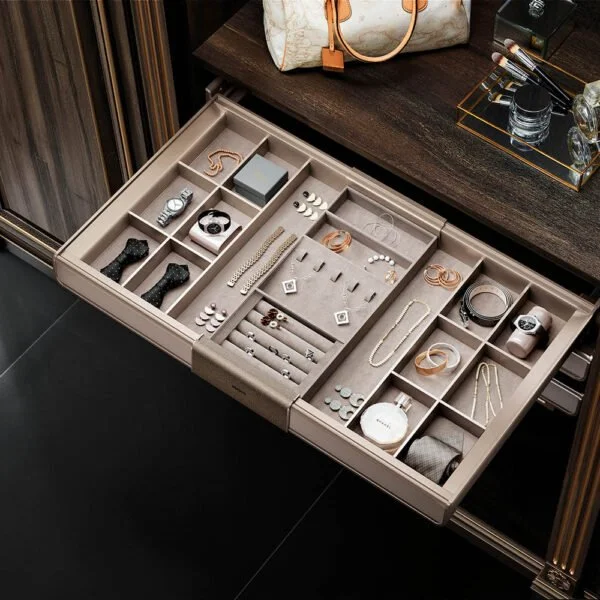
Drawers for accessories, jewelry, or undergarments
Hidden hampers or sorting stations
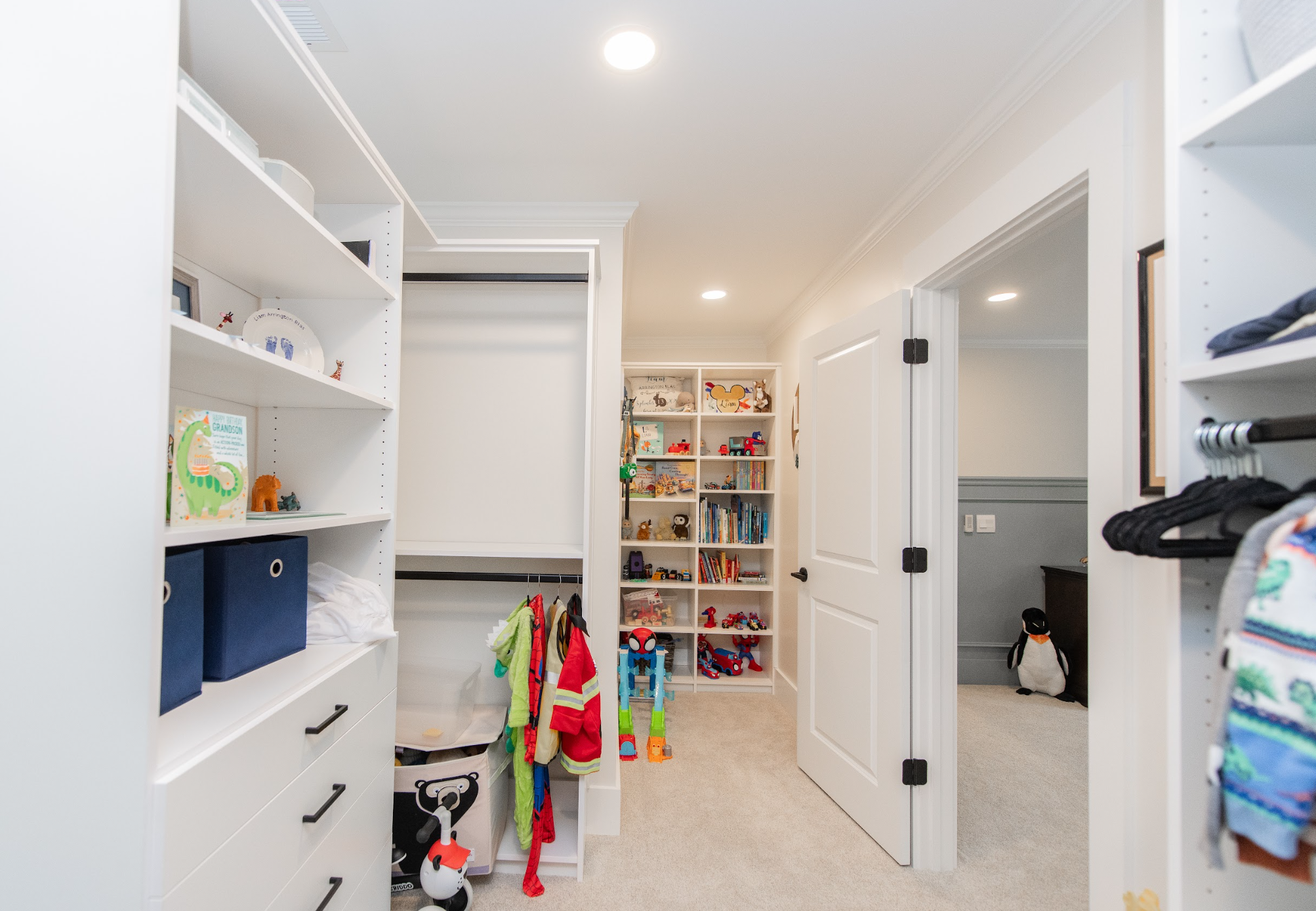
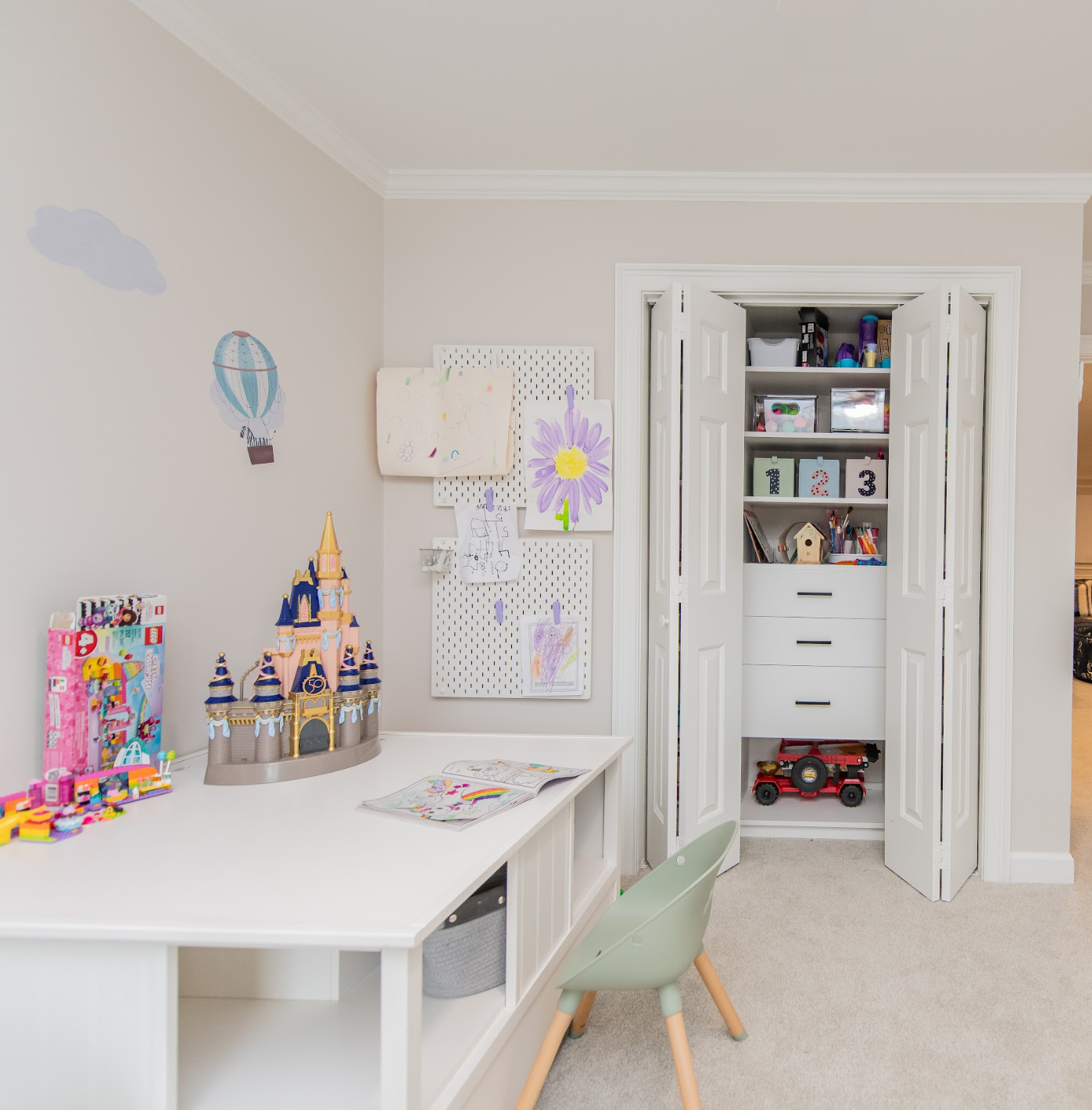
Kid-Friendly Zones
Lower bins for daily items
Higher shelves for off-season clothing
Shoe cubbies that can adjust as sizes change
General Storage
Labeled baskets
Pull-out drawers for easy access
Adjustable shelving for flexibility
Details That Make a Big Difference
Thoughtful features can elevate even a small storage area:
Built-in or motion-activated lighting
Soft-close drawers
Pull-out baskets
Velvet-lined organizers
Hooks for grab-and-go items
Clear bins for kids’ belongings
These touches not only look good — they improve how the space works day to day.
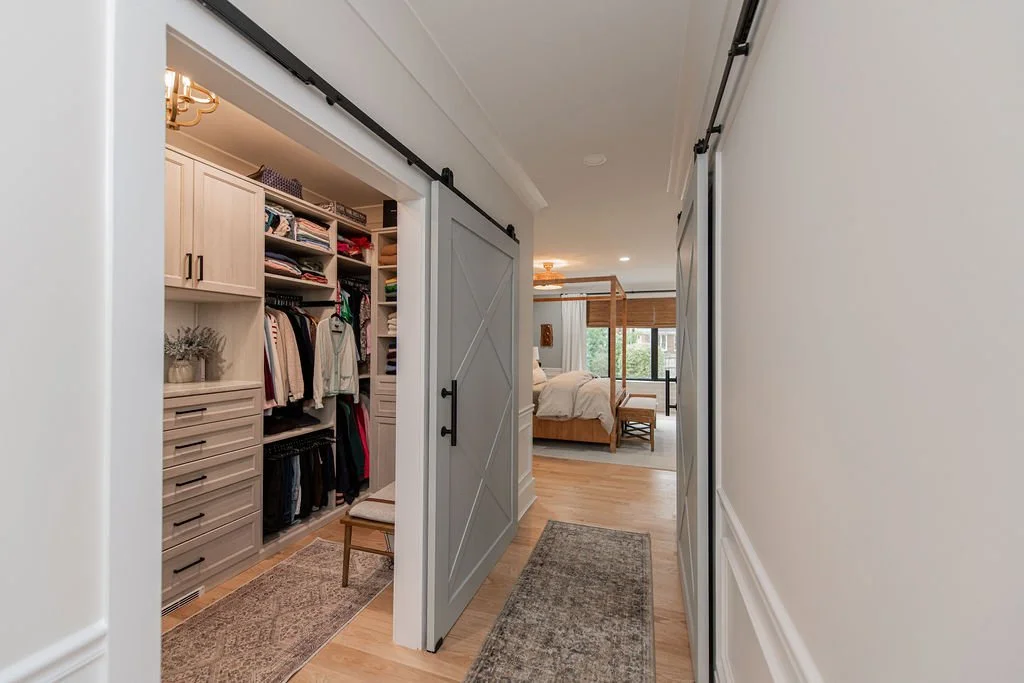
A Personalized Space Supports a More Organized Home
The goal isn’t to create a picture-perfect closet. It’s to build a space that makes life easier: a place where you can see what you have, access what you use, and feel at ease knowing everything has a home.
With clear planning, intentional editing, and thoughtful design, your storage can become one of the most functional and enjoyable parts of your home.