Major Home Renovations: The Art of Transformation
A home is more than its architecture — it is the place where memories are made, traditions are carried forward, and life is most deeply lived. At Ebenezer, we believe a major renovation is more than an update; it is an act of reenvisioning, one that blends history, function, and design into a timeless expression of living. For homeowners preparing to embark on this journey, understanding the process — and the right questions to ask along the way — is what transforms uncertainty into confidence and vision into reality
The Defining Elements of a Thoughtful Renovation
1. Goals and Investment as the Framework
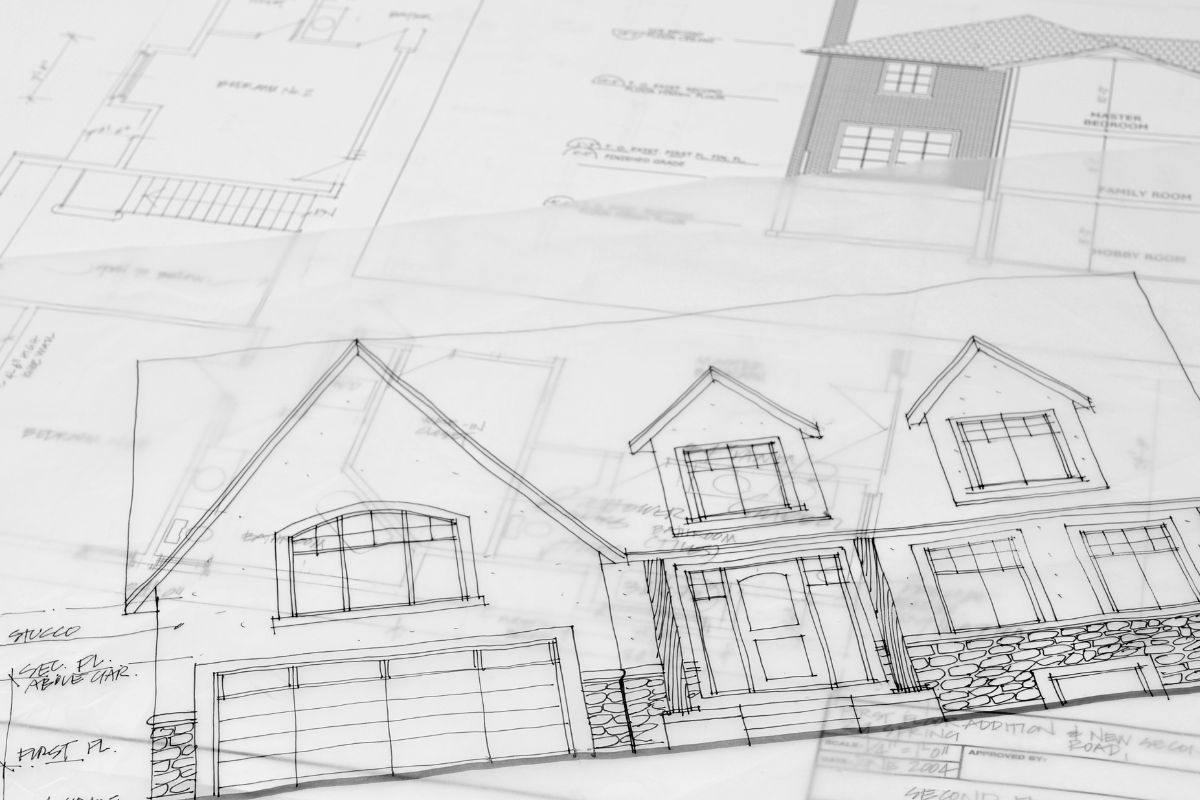
Every successful renovation begins with clarity of purpose. Defining whether the aim is to enhance function, refine aesthetics, or honor architectural heritage sets the direction for the entire process. From there, establishing a thoughtful investment plan — one that accounts for craftsmanship, materials, and contingencies — ensures the journey unfolds with confidence and precision.
Questions to Ask:
• How will this renovation improve the way we live in our home day-to-day?
• How do we plan for contingencies without compromising quality?
2. Choosing a Partner in Craftsmanship
The right builder or contractor is not simply a service provider but a steward of the home. Selecting a partner with proven expertise, transparent communication, and a portfolio of refined projects safeguards both the process and the outcome. This choice is as critical as the design itself, shaping the quality and integrity of every detail.
Questions to Ask:
• Can you share examples of projects similar to mine?
• What values guide your approach to craftsmanship?
3. Design as the Blueprint of Vision
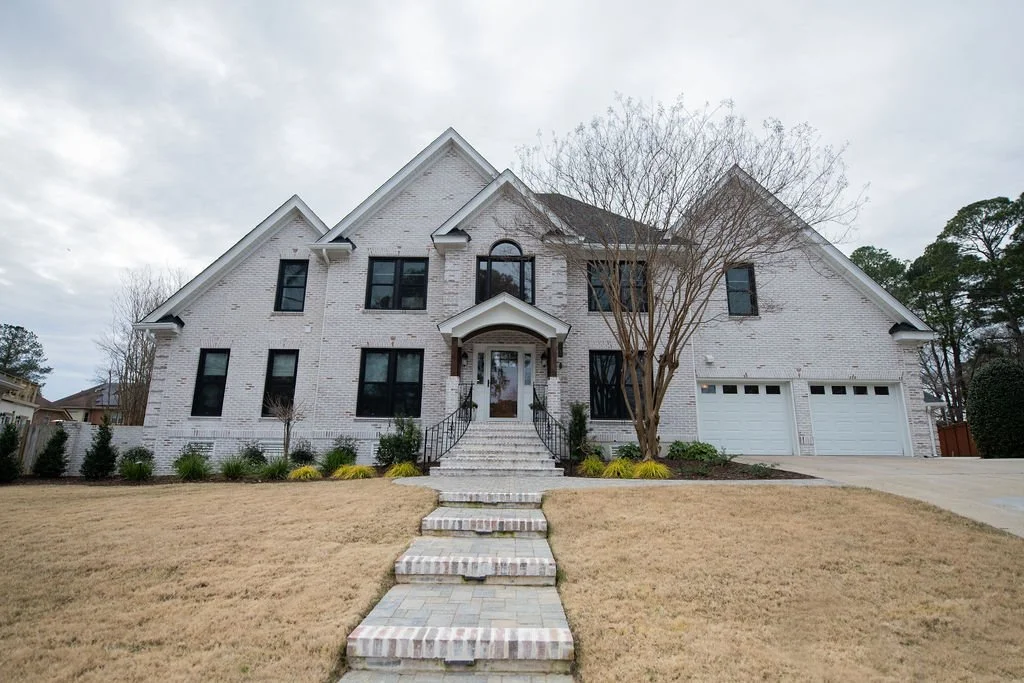
A comprehensive design plan translates aspiration into reality. Architectural drawings, detailed layouts, and carefully chosen finishes align form with function, ensuring beauty does not come at the expense of livability. When designers and architects collaborate seamlessly, the home takes on a new coherence, balancing timeless character with modern life.
Questions to Ask:
• How will the design balance timeless character with modern functionality?
• What design elements will have the greatest long-term impact?
4. Permits and Approvals as Safeguards
While easily overlooked, permits and approvals are essential to a well-executed renovation. These formalities ensure that the work honors regulation, protects safety, and upholds architectural standards. In many cases, approvals from local authorities or homeowner associations are the quiet foundations that prevent costly delays and preserve integrity.
Questions to Ask:
• How do you handle communication with local authorities or associations?
• What risks arise if approvals are delayed, and how are they mitigated?
5. Timelines that Balance Ambition and Realism
Time is an integral part of design. Establishing a realistic schedule — one that accounts for design phases, sourcing materials, and construction milestones — brings rhythm and clarity to a complex process. Though unexpected challenges may arise, a thoughtful timeline creates order, minimizes disruption, and maintains momentum.
Questions to Ask:
• How do you handle unexpected delays?
• How will I be kept informed of progress?
6. Transitional Living with Intention
Renovations often mean living differently for a season. Preparing temporary solutions — such as a makeshift kitchen or reconfigured living areas — allows daily life to continue with grace. These adjustments, though temporary, create continuity and ease during a period of transformation.
Questions to Ask:
• What areas of my home will remain usable during construction?
• How can we best prepare for temporary adjustments?
7. Engagement as Part of the Process
Renovation is most successful when homeowners remain active participants. Regular walkthroughs, open dialogue, and shared decision-making cultivate trust and alignment. This engagement transforms the project into a true collaboration, where vision and execution remain in harmony.
Questions to Ask:
• How often should I expect walkthroughs or progress updates?
• What decisions will require my input along the way?
8. Completion with Precision and Care
Final inspections and refinements are more than technicalities; they are the last strokes of artistry. Attention to every finish, fixture, and detail ensures the home emerges whole — an elevated reflection of its owners’ vision. Just as important is coordinating the transition back into the renovated space. Moving in should be timed with care, allowing the final punch list to be completed without haste. This ensures that the home is not only beautiful on day one, but also fully prepared to support daily life with ease and confidence.
Questions to Ask:
• What is your process for final inspections and punch-list items
• When is the right time to move back into the home to avoid disrupting final refinements
A major home renovation is more than construction; it is the thoughtful transformation of space into sanctuary. When guided by clarity, design excellence, and craftsmanship, the process yields more than beauty — it creates a home that feels personal, enduring, and profoundly lived in.